.jpeg)
Spain makes the most sense as a learning trip when you choose the practice first. The place should then sharpen it. Salamanca gives Spanish study a compact university rhythm. Seville puts flamenco beside the communities, studios and history that sustain it. Valencia makes rice technique a question of pan, liquid and heat. Donostia–San Sebastián can pair a serious kitchen with a surf lesson at an exact city beach.
That variety is Spain’s strength. It is also why “learn Spanish culture” is too vague to plan a useful week.
Start with the thing you want to do
Picture your first good hour. You might speak through a short exchange, hear a correction and try it again. You might prepare rice and learn how the pan changes the result. You might find the beat with your hands before adding a flamenco step. On the coast, you might read the day’s conditions, practise a take-off and use one clear piece of feedback on the next wave.
A lesson gives you time to attempt something and improve it. Guided interpretation works differently: a guide may help you read an Alhambra wall, a Bilbao riverfront or a Tramuntana terrace without pretending you have learnt architecture, engineering or dry-stone construction.
Choose a Spanish setting, not just a postcode
Andalucía has the broadest cluster of locally grounded practices. Seville is the clearest base for flamenco and also supports Spanish and cooking. Granada brings language study and flamenco into conversation with the Alhambra and Albaicín, while Córdoba is strongest for careful architectural, religious and leather-craft context. Cádiz adds Atlantic surf and its own performance traditions. Málaga offers a compact language-study base. Ronda rewards a slow visit shaped around its gorge, bridge and water history.
In the Basque Country, the decision changes again. Donostia–San Sebastián is the practical choice for Basque cooking and city surf. Bilbao is a strong place to examine architecture, industry, museums and urban change. Euskara shapes public life in both places. Formal study still needs a structured course.
Catalonia currently leads to Barcelona, where Spanish and Catalan study sit beside Modernisme, trencadís, design and photography. Barcelona can also host flamenco teaching, although the page should credit the form’s Andalusian roots rather than recast it as a Catalan tradition.
The Valencian Community earns its place through rice culture, Spanish–Valencian language context, silk history, Fallas making and the ceramics of Manises. Valencia city is a sensible base, but Manises is a separate municipality; a city address should never swallow the actual craft location.
The Balearic Islands need island-scale planning. Mallorca supports cycling, Serra de Tramuntana landscape reading and pottery around Marratxí and Pòrtol. Ibiza has worthwhile ceramic, marine and fortified-city context. A beautiful retreat setting does not, by itself, make yoga locally distinctive.
Madrid and Salamanca stay directly under Spain for now. Madrid works as a capital base for Spanish, museums, cooking and flamenco teaching. Salamanca has the sharper single purpose: concentrated Spanish study in a university city built from warm-toned Villamayor stone.
Keep Spain’s languages visible
Spanish is the main study choice for many travellers, but Spain is multilingual. Catalan, Valencian, Euskara and Galician are not decorative local words. They shape public life, education and the experience of a place.
Choose the language that serves your actual goal. In Barcelona, Catalan may open a different cultural and civic route, while Spanish may suit a wider travel plan. In Valencia, ask how the local bilingual setting appears in class and daily practice. In the Basque Country, decide whether you want formal Euskara study, a few respectful phrases or Spanish tuition with accurate local context.
Read the guide to Spanish varieties before treating one city’s speech as the national ideal.
Let regional kitchens stay regional
Spain does not offer one cooking lesson with different scenery. Valencia asks you to understand rice, pan geometry, liquid and the cooking point. Barcelona should name the Catalan dish and seasonal ingredients being taught. Donostia–San Sebastián should separate a hands-on kitchen from a pintxo route. Seville and Madrid need declared recipes, active preparation and enough feedback to leave you with a repeatable method.
The regional cuisines guide helps you choose the kitchen before you choose the class. For Basque social food culture, use the pintxos guide as context rather than proof that every tasting is a lesson.
Give craft and heritage the right promise
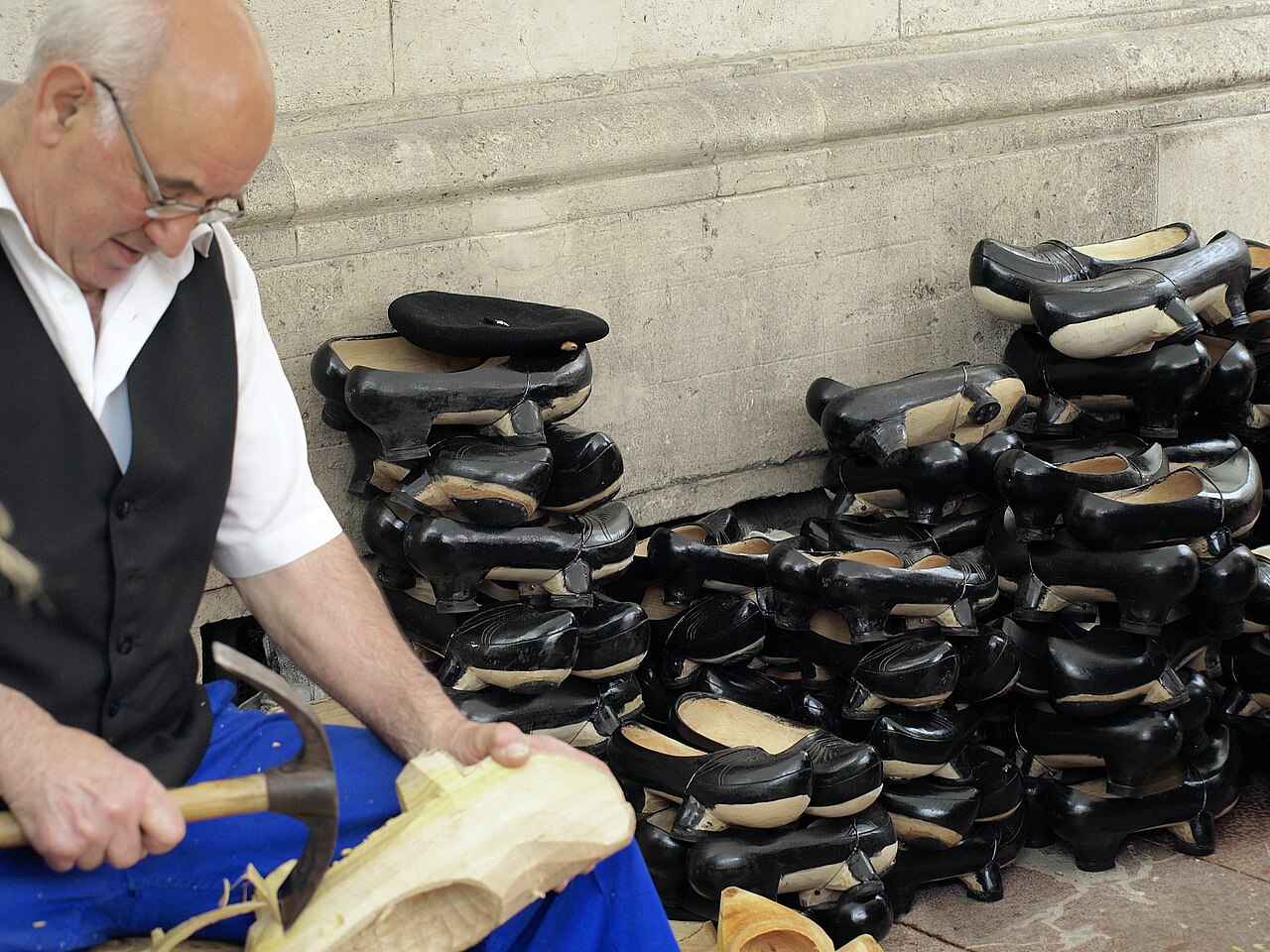
Spain’s living craft stretches from ceramics and leather to textiles and contemporary design. Tile, mosaic and festival making add their own techniques. The useful question is always what you will do. Painting a prepared tile is different from forming clay. Watching a leather artisan is different from using tools under supervision. Study trencadís closely in Park Güell, then practise planning and placing fragments in a taught workshop.
Architecture and heritage often work best as Guided interpretation — not a class. A skilled guide can help you compare evidence, question a familiar story and carry a method to the next site. That is a valuable outcome, even when you make nothing with your hands.
Build a week with breathing room
For three or four days, choose one base and one main practice. A week can support a short course plus one companion activity: Spanish and flamenco in Seville, language and mosaic in Barcelona, cooking and surf in Donostia–San Sebastián, or Spanish and rice technique in Valencia.
Protect the lesson from the itinerary. Heat changes summer schedules in Andalucía and inland Spain. Island roads and mountain routes take longer than they look. Surf depends on the exact beach and day. Major festivals can transform access, crowds and opening patterns.
Use the Spain learning guide to compare formats and routes. Then choose the place that makes your chosen practice more precise. If no current lesson is listed, the page should still help you ask who teaches, what you will attempt, how feedback works and what you can realistically carry home.
What we checked
Sources behind the local details
We used these sources for local history, geography and cultural context. Opening times, access and programmes can change, so confirm current details with the venue or host. Sources checked on 22 August 2026.