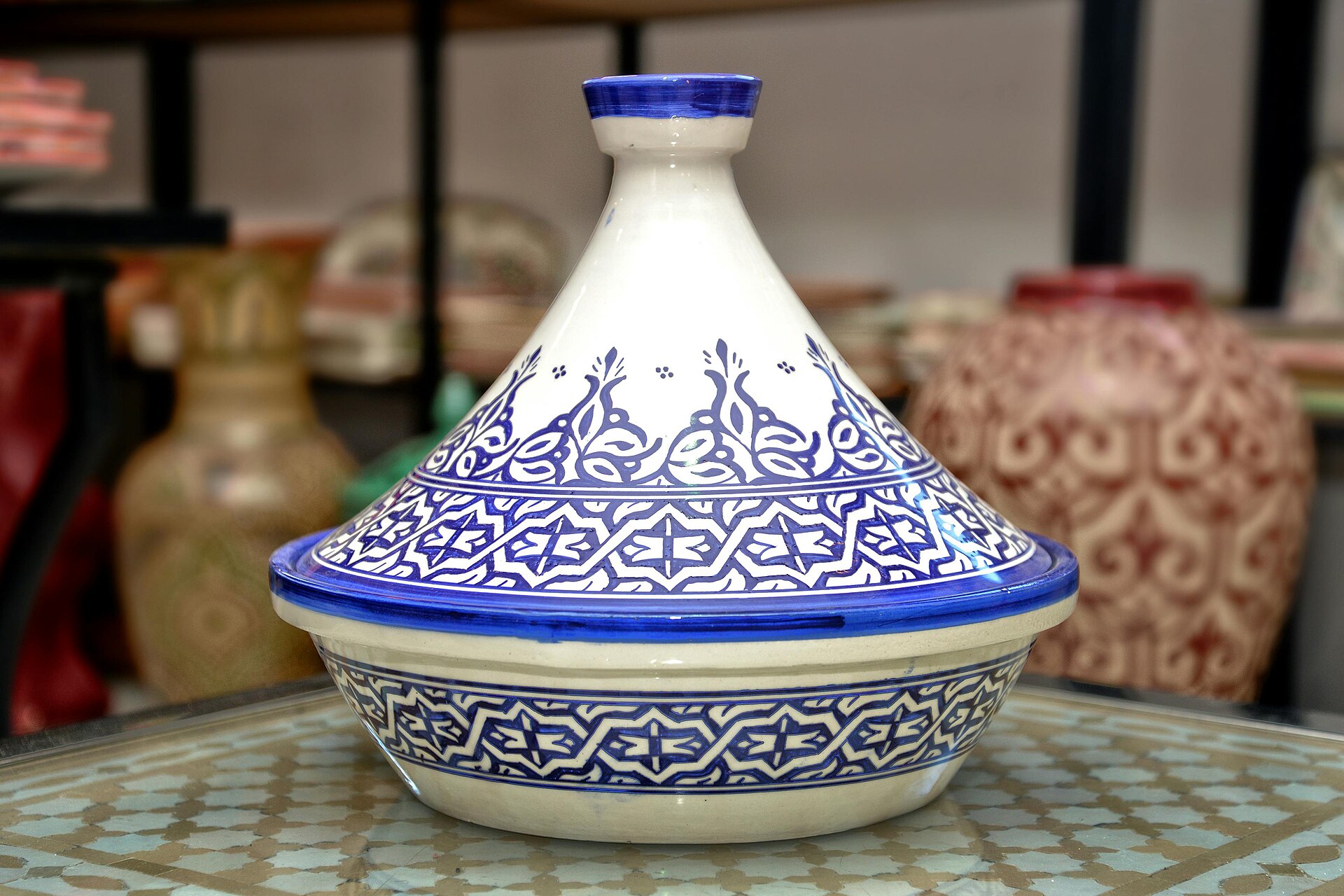
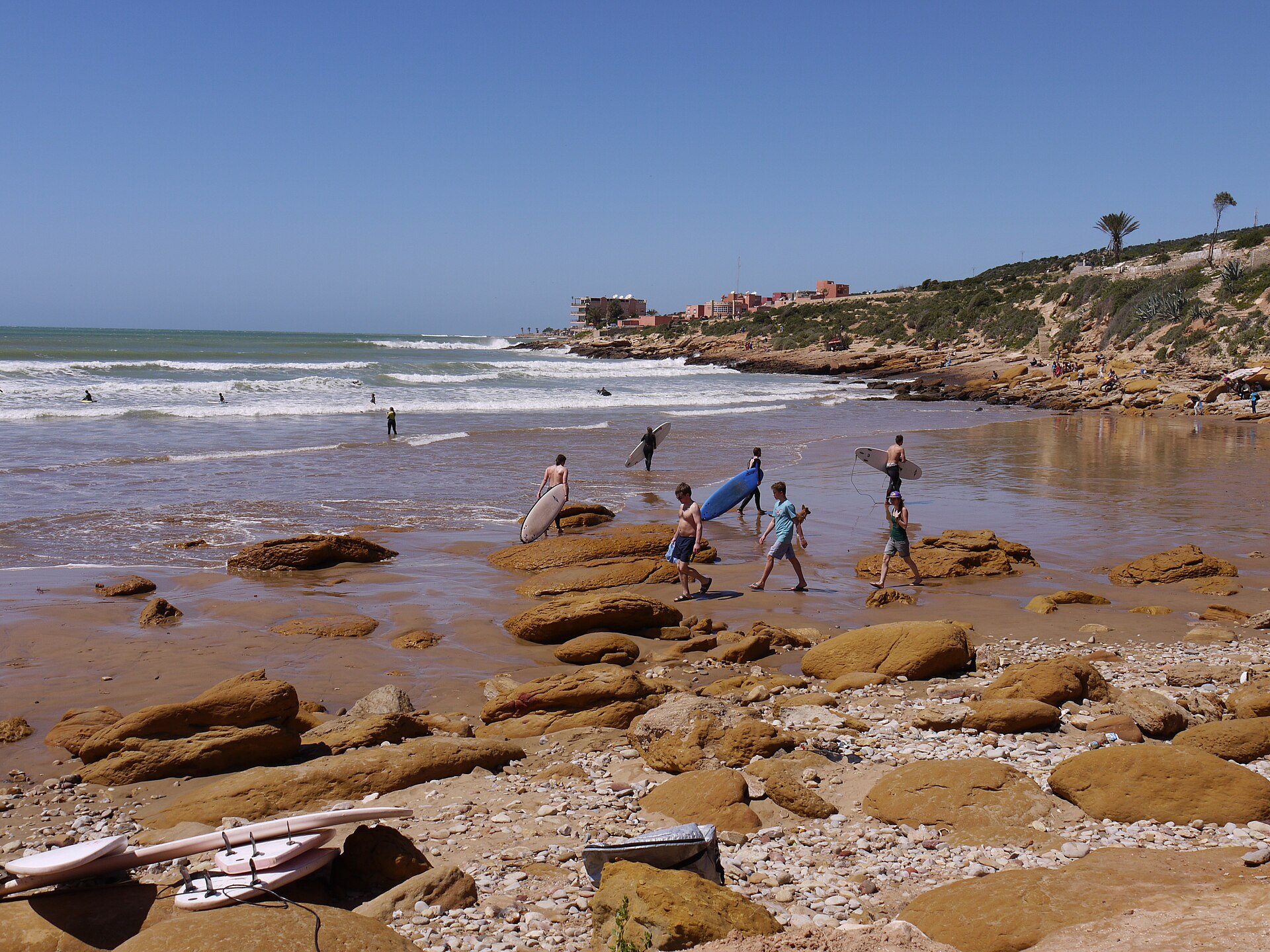
Morocco is not one giant classroom with palm trees. The useful question is which skill belongs most naturally to which place. Fes is unusually strong for craft processes and Arabic study; Marrakech offers broad access to cooking and urban workshops; Essaouira connects Atlantic conditions with music and visual practice; Taghazout is built around coached surf; Imlil opens the High Atlas; Merzouga anchors the Moroccan Sahara.
Start with the learner outcome, choose the place that gives it real context, then check the teacher, participant task, correction loop, safety and current dates. A beautiful setting earns attention; it does not prove a class.
Morocco learning map at a glance
| If you want to learn |
Strong starting places |
What should be visible |
| Cooking and food culture |
Marrakech, Fes, Rabat, Essaouira, Agadir |
Ingredient choice, hands-on preparation, correction and a retained recipe |
| Arabic or Darija |
Fes, Rabat, Tetouan, Marrakech, Tangier |
Language variety, contact hours, level and corrected speaking practice |
| Pottery, zellige and craft |
Fes, Tetouan, Marrakech, Safi-context programmes |
Exact stages performed, artisan role, tools, firing or finishing plan |
| Surf and wind skills |
Taghazout, Agadir, Essaouira, Rabat, Casablanca |
Coach identity, level grouping, equipment, conditions and safety plan |
| Mountain and landscape learning |
Imlil, Atlas Mountains, Ifrane |
Route scope, interpretation, qualified role and live-condition checks |
| Desert astronomy and field practice |
Merzouga and the Sahara hub |
Instrument use, night-site plan, weather, moon and learner participation |
| Music and visual arts |
Essaouira, Tangier, Chefchaouen, Rabat |
Named practitioner, cultural context, assignment and feedback |
Choose a place for what it can teach—not for a generic checklist
Marrakech is the broadest first base when a group wants several different skills. Its cluster covers cooking, Darija, calligraphy, pottery, zellige, weaving, photography and history. Fes goes deeper into material culture: pottery and zellige, leather, weaving, metal engraving and artisan interpretation sit beside structured Arabic study and Fassi cooking.
The north has three distinct roles. Tetouan combines Arabic, Spanish-facing cultural context, food and a wide craft vocabulary. Tangier adds multilingual learning, painting, photography, music, food and urban history. Chefchaouen is narrower but credible for weaving, pottery, painting, photography, cooking, Darija and film practice. They are related; they are not interchangeable.
Atlantic Morocco: choose the water skill before the resort
Taghazout is the clearest surf-progression hub, with separate routes for lessons, coaching, guiding and surf-and-yoga combinations. Agadir supports surf alongside cooking, Tamazight, argan, pottery, jewellery, music and the wider Souss-Massa context. Essaouira is the stronger multi-skill coast: surfing, kitesurfing, windsurfing and wingfoil sit beside Gnawa music and dance, photography, painting, embroidery, woodwork and cooking.
Rabat and Casablanca should not be treated as consolation stops. Rabat has serious Arabic-study options, cooking, craft and archaeology context plus Atlantic surf. Casablanca is useful for modern architecture, Darija, food, pottery, woodwork and Dar Bouazza surf. Choose them when the city itself strengthens the learning objective.
Mountains, Middle Atlas and southern routes
The Atlas Mountains hub separates High, Middle and Anti-Atlas systems rather than selling one vague mountain experience. Imlil is the practical High Atlas base for walking, mountaineering context, household cooking and local interpretation. Ifrane and nearby Azrou open a different landscape of cedar forest, lakes, birdlife, seasonal snow, architecture and riding.
Ouarzazate combines film-production interpretation, earthen architecture, pottery, cooking, photography and solar-energy context. Aït Benhaddou is more focused: earthen architecture, history, photography, interpreted walking and local cooking. The Sahara hub then routes desert intent to Merzouga and the wider oasis systems without pretending every dune camp teaches something.
What makes an experience a learning experience?
GoLearnTo uses a simple observable test. The participant should do more than watch, shop, taste, ride or follow. A credible learning description names:
- The practitioner, teacher, coach or qualified guide.
- The task the learner performs.
- The explanation, correction or interpretation provided.
- A second attempt, decision or reflection showing that something changed.
- A useful outcome: a method, field note, recipe, phrase set, artefact or skill plan.
A tannery viewpoint can be valuable heritage interpretation without being leather training. A studio visit can explain production without becoming a filmmaking course. A market walk becomes stronger when ingredient decisions feed into a participant-cooked meal.
How provider selection works
Provider profiles on GoLearnTo are research-backed enquiry leads, not implied partnerships or instant-booking stock. A profile can be published on HOLD when a direct source establishes a credible learning proposition but current teacher, dates, permissions, safety, accessibility or alcohol-free delivery still need confirmation.
That candour matters. Reviews and marketplace popularity help discovery, but they do not prove who will teach, how much the learner will do, or whether the listed format still operates. Each city hub shows all qualified skills for that place even when no provider has yet passed the profile threshold.
Practical planning: depth beats a frantic route
For a first learning trip, one main base plus one contrasting region usually works better than collecting five cities. Fes plus Chefchaouen creates a craft-and-language route. Marrakech plus Imlil links urban food or craft with High Atlas context. Essaouira plus Taghazout compares two Atlantic learning ecosystems. Ouarzazate plus Merzouga needs more road time but connects film, earthen landscapes, oasis systems and night-sky learning.
Count active teaching time, not just itinerary length. Ask about transfers, rest days, seasonal conditions, venue accessibility and whether the same named practitioner will lead the requested date.
Cultural boundaries and Amanah
The site is intentionally alcohol-free. Cooking, wellbeing and social programmes must be able to confirm alcohol-free teaching, venues and inclusions rather than quietly removing one tasting from an otherwise unsuitable itinerary.
Respect also means asking before photographing people or workshops, understanding whether a visit interrupts paid work, and checking how the practitioner is compensated. Sacred practice, community heritage and household knowledge should not be converted into tourist performance without consent and context.
Use the field guides before you enquire
The Morocco field guides explain the subjects most often blurred by tour copy: argan, carpet weaving, communal ovens, Gnawa, leather tanning, ras el hanout, tagine technique and zellige.
Use them to ask better questions. “Is zellige included?” is weak. “Will I cut tile, arrange pre-cut pieces, paint a tile or only tour a workshop?” reveals the real format.
Before sending an enquiry
Include your dates, learner level, preferred language, mobility or dietary needs, the skill you want to practise and the outcome you hope to take home. GoLearnTo can then ask the provider for current evidence instead of forwarding a vague “things to do” request.
An enquiry requests information or an introduction. It does not confirm availability, price, suitability or a booking.
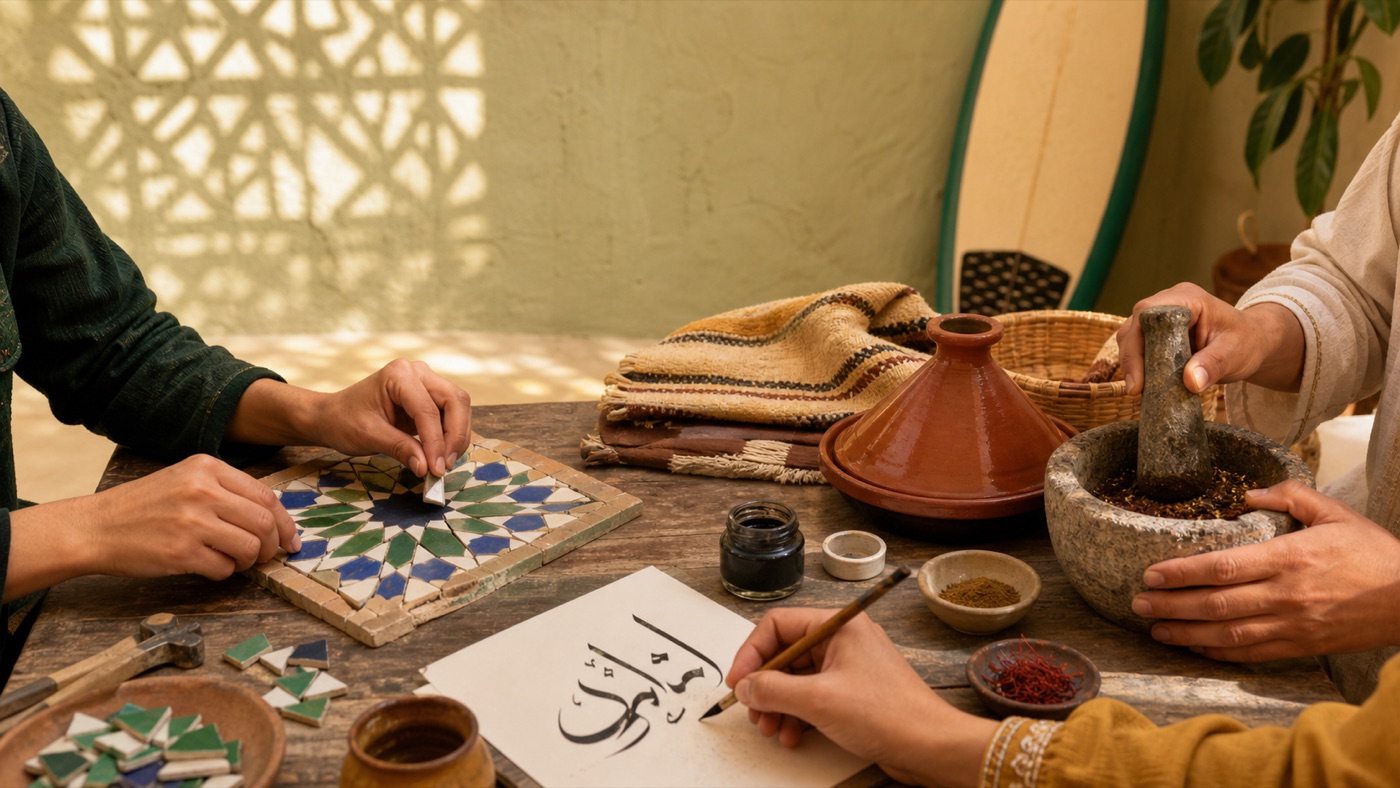
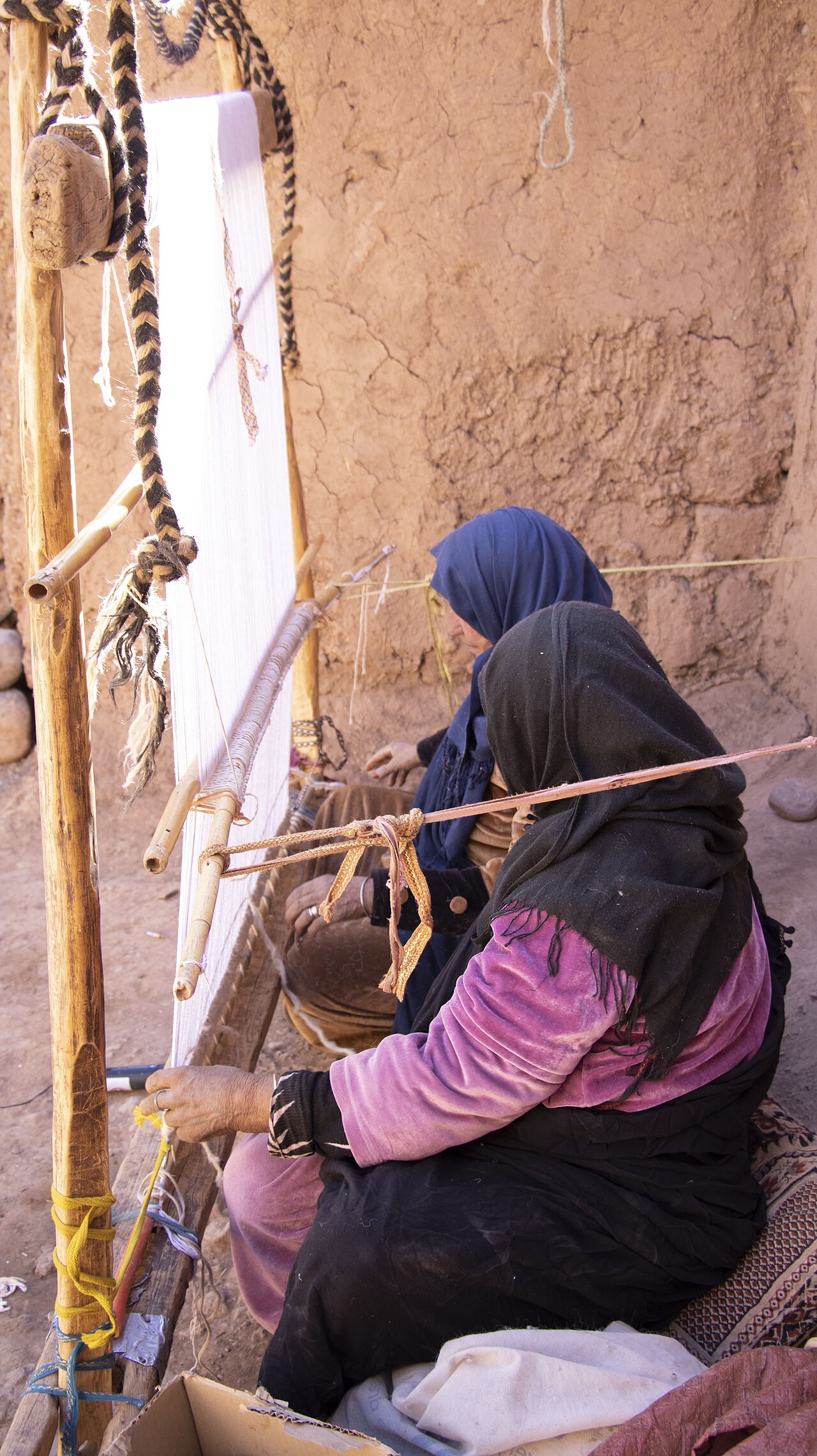 Editorial contextLearn in Fes, Morocco