Skip to content
GGoLearnToTravel home with a skill
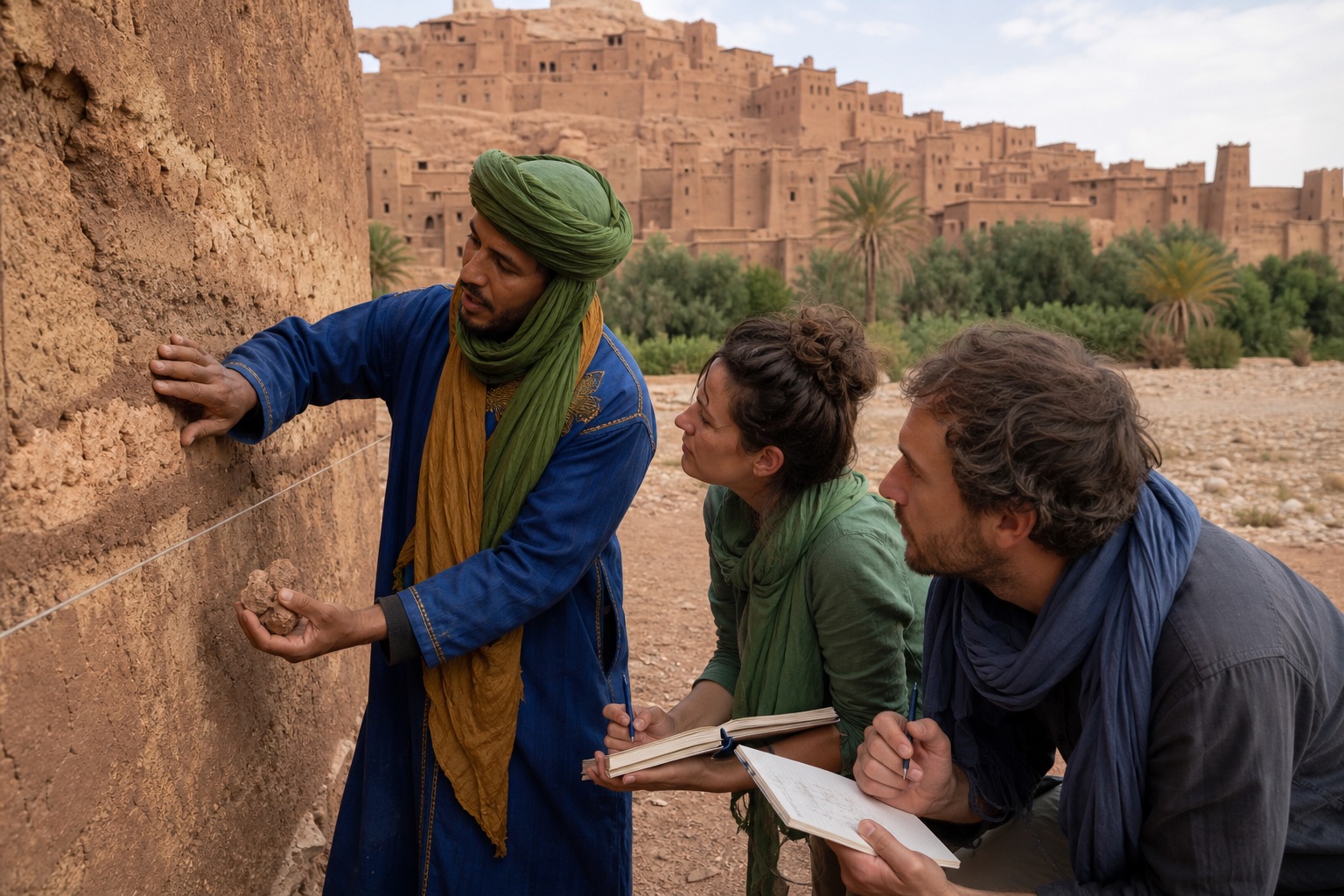
A Moroccan guide teaching visitors how to read earthen architecture at Aït Benhaddou
Editorial image — it does not depict this provider · AI-generated editorial image by GoLearnTo
Research lead — operator unconfirmedEnquire only

Editorial record for Aït Benhaddou local-guide research lead

Ksar architecture and stewardship guide research lead

A locally grounded interpretation proposition built from the site’s guide ecosystem; named guide, route, permissions, method and dates need direct verification.

  • Earthen architecture
  • Ksar history
  • Landscape walking

Aït Benhaddou, Morocco. No payment is taken on GoLearnTo.

The quick version

Before you choose a date

Typical duration
No verified current guided-learning duration
Starting level
General interest
Teaching language
Confirm before enquiring
Learning format
Confirm the group and teacher ratio
Published price
Ask for the current price
Dates
Dates vary — enquire first

Picture the session

What useful learning should look like here

Aït Benhaddou teaches through earth, water and patient maintenance. The famous view is only the first page.

No wishful thinking here. GoLearnTo checks Aït Benhaddou local-guide research lead against a practical learning standard. Learn how to read a place, connect evidence and test an interpretation instead of collecting a list of dates at walking speed.

Read the place through evidence, not a sprint through dates. One sharp question can open the whole route.

1

You should do

  • Observe a site or object closely
  • Connect it to a named source or period
  • Compare interpretations and ask what changed
2

The host should explain

  • Question-led route briefing
  • Field observation and discussion
  • Short synthesis or comparison
3

We will confirm

  • Guide expertise and sources
  • Route thesis
  • Access, photography and sensitive-site boundaries

The honest line

A guided visit can be deeply educational without being hands-on. The honest label is interpretation, not a practical craft course.

Ask first. Travel happy.

Why it caught our eye

A locally grounded interpretation proposition built from the site’s guide ecosystem; named guide, route, permissions, method and dates need direct verification.

Why this one caught our eye

The site has an active local-guide ecosystem, and the ksar’s form, material, conservation and community context create a strong interpretive subject. No named guide has yet passed review.

What you may actually learn

A verified route could teach the ksar–kasbah distinction, earthen-material observation, settlement history, stewardship and the old–river–modern geography.

A few things we still want to check

  • Current legal operator and named local guide
  • Guide identity, expertise, language and benefit route
  • Exact meeting point, crossing and public route
  • Architecture, history and stewardship method
  • Observation prompts, questions and recap
  • Residential, sacred, cemetery and conservation limits
  • Resident privacy, photography and recording consent
  • Steps, surfaces, heat, shade and accessibility
  • Explicit alcohol-free route and inclusions
  • Current dates, duration, price and cancellation

Our honest take

The learning subject justifies a transparent research profile. It remains on HOLD until a named guide, current route, permissions and enquiry pathway are verified.
For the host

Run this experience?

Claim the profile free, correct the details and send approved photos. GoLearnTo keeps editorial judgment independent.

Claim or correct this profile

Enquire only

Ask about dates and suitability

No payment is taken. GoLearnTo will use your details only to handle this enquiry and, with your permission, contact the named host.

See our privacy notice. Please do not include health or other sensitive information in this first enquiry.

Part of the learning map

Explore the place and skills behind this experience

More in Aït Benhaddou

Related learning experiences in the same city

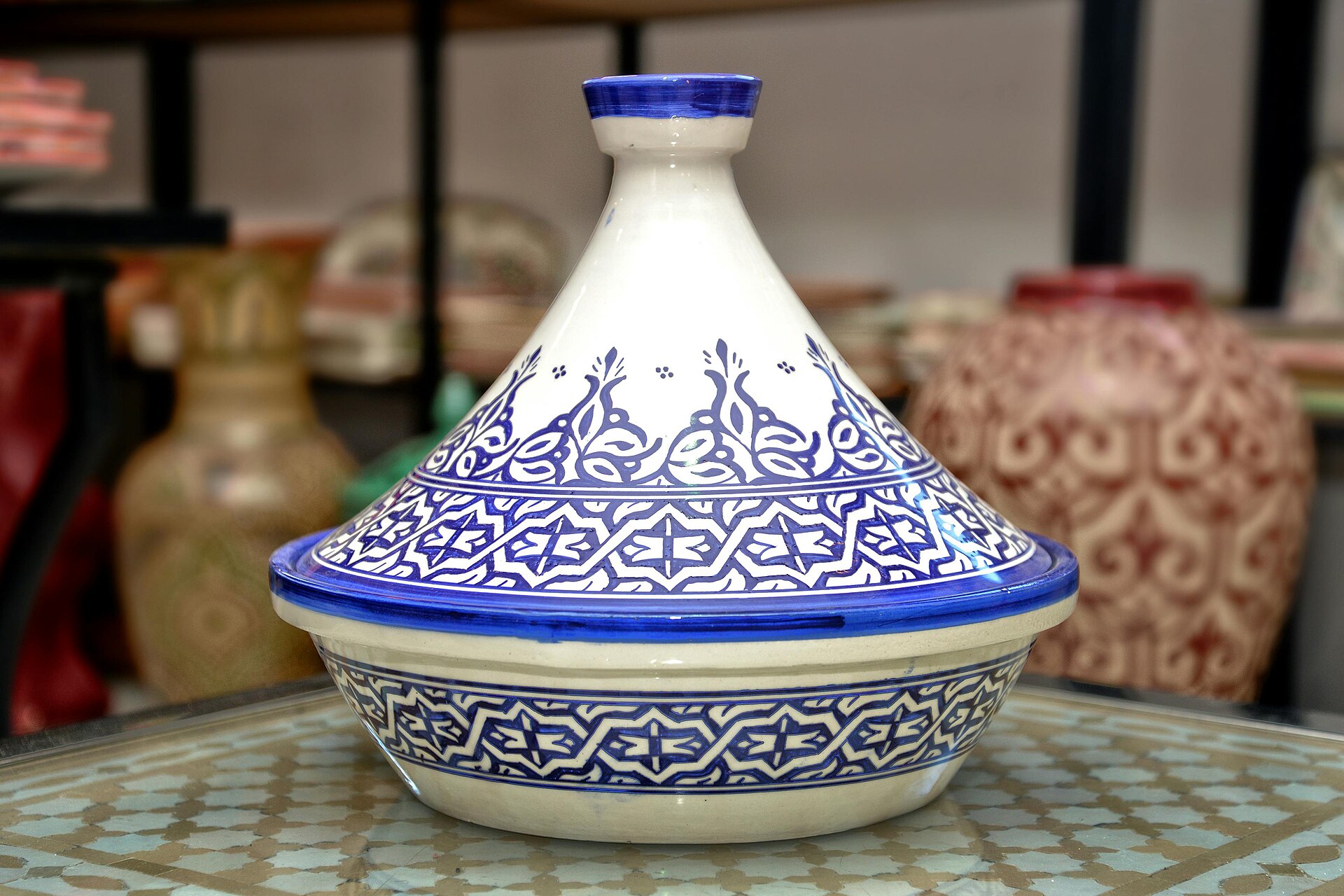
Traditional Moroccan tagine vessel, shown as culinary context
Editorial contextLearn in Aït Benhaddou, Morocco
Research leadPublished as three hours; current duration and active cooking time are not verified

Tagine and bread cooking research lead at Cooperative Imik Simik

Operator still to confirm · subject: Cooperative Imik Simik

A three-hour hands-on proposition with local women retained for verification; registration, teachers, kitchen, controls, benefit and dates remain unresolved.

  • Moroccan cooking
  • Bread making
See what you’ll learn
Ask about this experience