Skip to content
GGoLearnToTravel home with a skill

commercial spoke

Moroccan cooking classes in Aït Benhaddou

Choose Aït Benhaddou cooking by named teacher, exact kitchen, personal tagine and bread stages, correction, food controls and direct benefit.

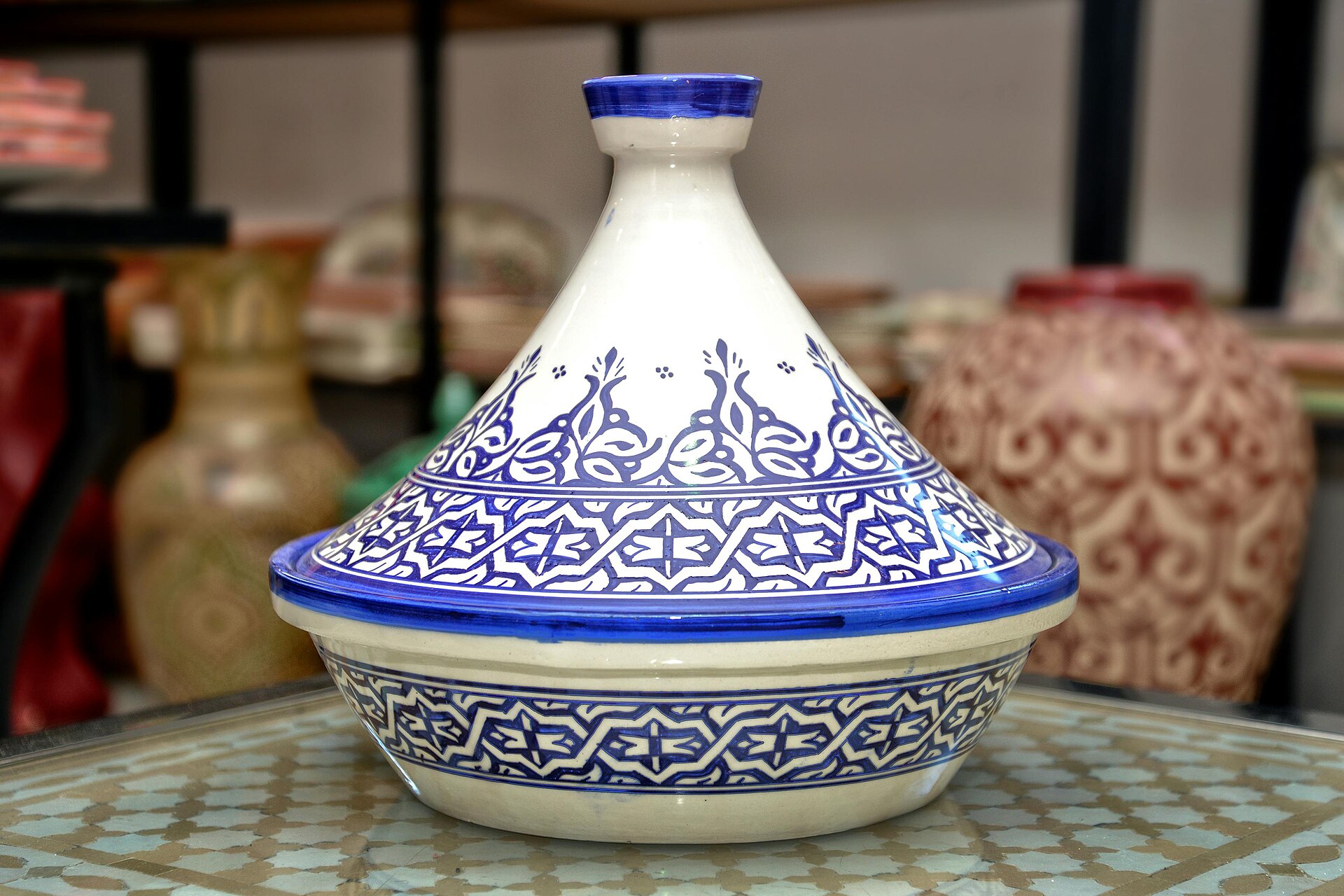
Traditional Moroccan tagine vessel, shown as culinary context
Editorial context · Vineyi826 · CC0

Salam from Aït Benhaddou

Why the place matters

Aït Benhaddou teaches through earth, water and patient maintenance. The famous view is only the first page.

A Moroccan minute

Cook, taste, adjust and keep the method. Lunch is welcome; the learning should last longer.

Useful first. Memorable second. Ideally both.

See the learning loop

From ingredient choice to a repeatable dish

  1. Step 1Choose ingredients
  2. Step 2Prepare your own stages
  3. Step 3Control heat and timing
  4. Step 4Taste and adjust
  5. Step 5Keep the method

Your learning plan

What a good moroccan cooking experience in Aït Benhaddou should feel like

Leave with a method you can use again, not only a full stomach and twelve nearly identical photos of lunch.

The honest outcome

A repeatable recipe or ratio, safer technique and a clearer understanding of why the dish works.

01

What you should practise

  • Choose or identify ingredients
  • Prepare meaningful stages yourself
  • Taste, adjust and record the method

02

A sensible session

  1. Ingredient and menu briefing
  2. Hands-on preparation with correction
  3. Cook, taste and discuss regional variations

03

Compare before enquiring

  • Active cooking time
  • Learners per workstation
  • Allergens, substitutions and recipe notes

A little Moroccan honesty

A market walk, hosted meal or demonstration can be valuable. It becomes a cooking class only when you cook and receive useful feedback.

Local signals

tagine · traditional bread · local women teachers

2 researched provider profiles are connected to this route.

Independently selected

Experiences to enquire about

How selection works
Traditional Moroccan tagine vessel, shown as culinary context
Editorial contextLearn in Aït Benhaddou, Morocco
Research leadPublished as three hours; current duration and active cooking time are not verified

Tagine and bread cooking research lead at Cooperative Imik Simik

Operator still to confirm · subject: Cooperative Imik Simik

A three-hour hands-on proposition with local women retained for verification; registration, teachers, kitchen, controls, benefit and dates remain unresolved.

  • Moroccan cooking
  • Bread making
See what you’ll learn

One direct cooperative lead publishes a three-hour format with tagine and traditional bread practice. A second local lead has insufficient retrievable detail and remains an open investigation.

Count the learner’s stages

Ask who teaches, where the kitchen is, what each participant prepares and how correction works. Conversation and eating add context but do not replace active cooking.

What to verify

  • Current legal operator and exact kitchen
  • Named teachers, consent, credit and compensation
  • Menu, learner stages and active preparation time
  • Tagine, bread, heat, oven and knife boundaries
  • Demonstration, correction, repeat and retained method
  • Ingredients, allergens, cross-contact and hygiene
  • Water, handwashing, storage and ventilation
  • Group size, language, accessibility and safeguarding
  • Explicit alcohol-free ingredients, kitchen and inclusions
  • Current dates, duration, price and cancellation

Return to Aït Benhaddou, compare all cooking classes, or continue to Ouarzazate.

Continue on GoLearnTo

Related places, skills and field guides

Keep exploring

More places and learning ideas