Skip to content
GGoLearnToTravel home with a skill

commercial spoke

Cooking classes in Marrakech

Choose a Marrakech cooking class by hands-on learner time, ingredient teaching, food controls and the techniques you can repeat at home.

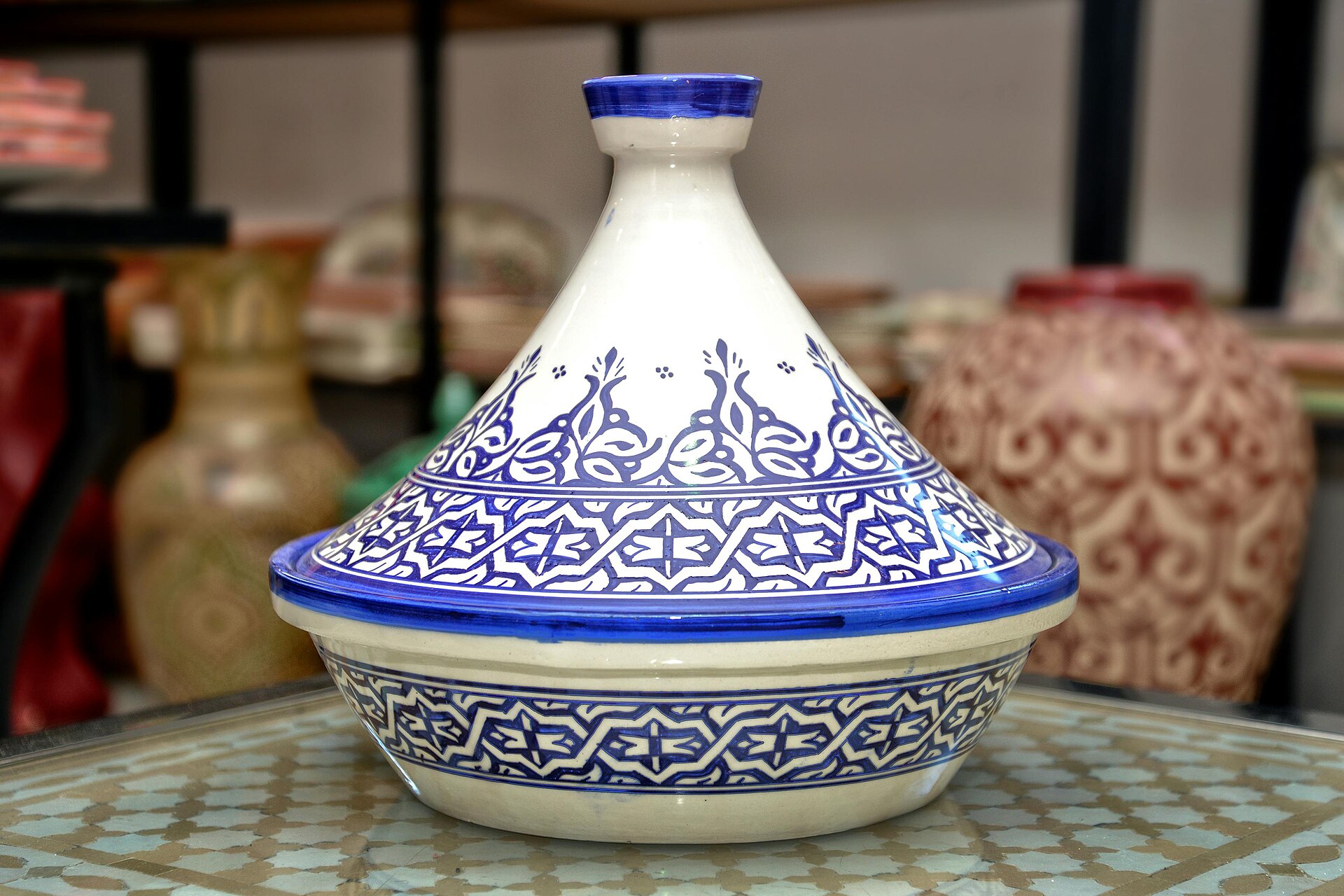
Traditional Moroccan tagine vessel, shown as culinary context
Editorial context · Vineyi826 · CC0

Salam from Marrakech

Why the place matters

Marrakech offers plenty of sparkle. Your job is to find the lesson hiding behind the packaging.

A Moroccan minute

Cook, taste, adjust and keep the method. Lunch is welcome; the learning should last longer.

Useful first. Memorable second. Ideally both.

See the learning loop

From ingredient choice to a repeatable dish

  1. Step 1Choose ingredients
  2. Step 2Prepare your own stages
  3. Step 3Control heat and timing
  4. Step 4Taste and adjust
  5. Step 5Keep the method

Place–skill evidence

Why this skill belongs in Marrakech

Move from spices and preparation to hands-on cooking, a shared meal and techniques you can repeat at home.

Moroccan cuisinetagineAmal Targa
Open the complete place hub
Provider evidence
1 profile
Sources checked
2
Last reviewed
14 Aug 2026

Other qualified skills in this place

Same placeArabic and DarijaChoose spoken Moroccan Darija for daily interaction or a more formal Arabic route, with a realistic outcome for the contact hours available.Explore on GoLearnTo Same placeArabic calligraphyPractise writing direction, letter construction and a small corrected composition instead of only tracing a prepared name.Explore on GoLearnTo Same placeZellige and mosaicUnderstand geometric planning, tile handling and assembly while checking exactly which cutting and finishing stages are safe for learners.Explore on GoLearnTo Same placePottery and ceramic paintingChoose between modelling, wheel work and painting, and separate making time from drying, firing and collection time.Explore on GoLearnTo Same placeWeaving and textile heritageLearn a bounded loom sequence and how textile structure is read, while distinguishing a workshop from a museum visit or rug sale.Explore on GoLearnTo Same placePhotography and visual storytellingBuild a story through assignments, image review and editing while treating people, homes, work and worship as consent-sensitive subjects.Explore on GoLearnTo Same placeMedina heritage interpretationRead the Medina as a living urban system through architecture, water, trade, craft and conservation—not a string of photo stops.Explore on GoLearnTo Same placeYoga retreats and practiceCompare real teaching hours, style, mixed-level adaptation, venue and a programme-wide alcohol-free commitment rather than a wellness label.Explore on GoLearnTo

Your learning plan

What a good moroccan cooking experience in Marrakech should feel like

Leave with a method you can use again, not only a full stomach and twelve nearly identical photos of lunch.

The honest outcome

A repeatable recipe or ratio, safer technique and a clearer understanding of why the dish works.

01

What you should practise

  • Choose or identify ingredients
  • Prepare meaningful stages yourself
  • Taste, adjust and record the method

02

A sensible session

  1. Ingredient and menu briefing
  2. Hands-on preparation with correction
  3. Cook, taste and discuss regional variations

03

Compare before enquiring

  • Active cooking time
  • Learners per workstation
  • Allergens, substitutions and recipe notes

A little Moroccan honesty

A market walk, hosted meal or demonstration can be valuable. It becomes a cooking class only when you cook and receive useful feedback.

Local signals

Moroccan cuisine · tagine · Amal Targa

1 researched provider profile is connected to this route.

Independently selected

Experiences to enquire about

How selection works
Traditional Moroccan tagine vessel, shown as culinary context
Editorial contextLearn in Marrakech, Morocco
Independently selectedMorning to lunch in the current public outline

Moroccan cooking class at Amal Targa

Profile for Amal Targa

A hands-on Marrakech cooking session whose public outline moves from spices and preparation to cooking, a shared meal and recipes to take home.

  • Moroccan cooking
  • Market and ingredient learning
See what you’ll learn

A good Marrakech cooking class should leave you able to explain and repeat at least one technique—not merely remember a pleasant lunch. Look for a sequence that moves from ingredients and preparation to hands-on cooking, feedback, tasting and a usable recipe.

Market visit, demonstration or class?

Format Learner role Best evidence
Market interpretation Compare ingredients and ask questions Ingredient choices are explained
Demonstration Watch the cook complete the dish Technique is visible but practice is limited
Shared group class Complete assigned stages with others Roles and active time are stated
Individual workstation class Prepare and cook your own components Teacher corrects each learner

A souk visit can deepen a class when it teaches freshness, seasonality, spice quality or substitution. Walking through stalls without an ingredient task is touring time, not cooking time.

What is realistic in one morning?

A beginner session can cover mise en place, spice balance, one or two core cooking methods and the assembly of a meal. Tagine technique, bread, pastry or couscous may each require different time and equipment. A long menu is not automatically better; it can divide the learner’s attention into tiny jobs.

Ask what you personally chop, season, shape, cook and plate. Also ask what is prepared before arrival. The honest outcome might be “understand how to balance and cook one tagine” rather than “master Moroccan cuisine.” That smaller promise is more useful when it is true.

Food, dietary and values checks

Confirm allergies and cross-contact procedures directly. Vegetarian availability does not answer a nut, sesame, gluten or shared-utensil question. Ask whether the complete class—ingredients, venue, drinks and optional activities—is explicitly alcohol-free.

Also check whether recipes use equipment available at home and whether substitutions are explained. A beautiful dish that depends on an unavailable tool or undisclosed pre-preparation is harder to reproduce.

Questions worth sending with an enquiry

  • Who teaches the requested date?
  • How many people share each workstation and dish?
  • How much of the session is active preparation and cooking?
  • Which techniques, not only recipes, are taught?
  • Are recipes and substitution notes provided?
  • What food-safety and cross-contact controls apply?
  • Is the complete experience explicitly alcohol-free?
  • What are the current duration, accessibility and cancellation terms?

Return to what you can learn in Marrakech, deepen the ingredient vocabulary with ras el hanout, or compare the mechanics of tagine technique.

Evidence

Selected references

Official and institutional references used for place, heritage or practical context. Commercial operators and marketplaces are kept in our private research ledger rather than promoted here. Reviewed 14 August 2026.

  1. UNESCO World Heritage Centre

Continue on GoLearnTo

Related places, skills and field guides

Keep exploring

More places and learning ideas