Skip to content
GGoLearnToTravel home with a skill

commercial spoke

Moroccan embroidery workshops in Essaouira

Choose an Essaouira embroidery workshop by named craftswoman, stitch sequence, correction, active hand time, kit and retained textile piece.

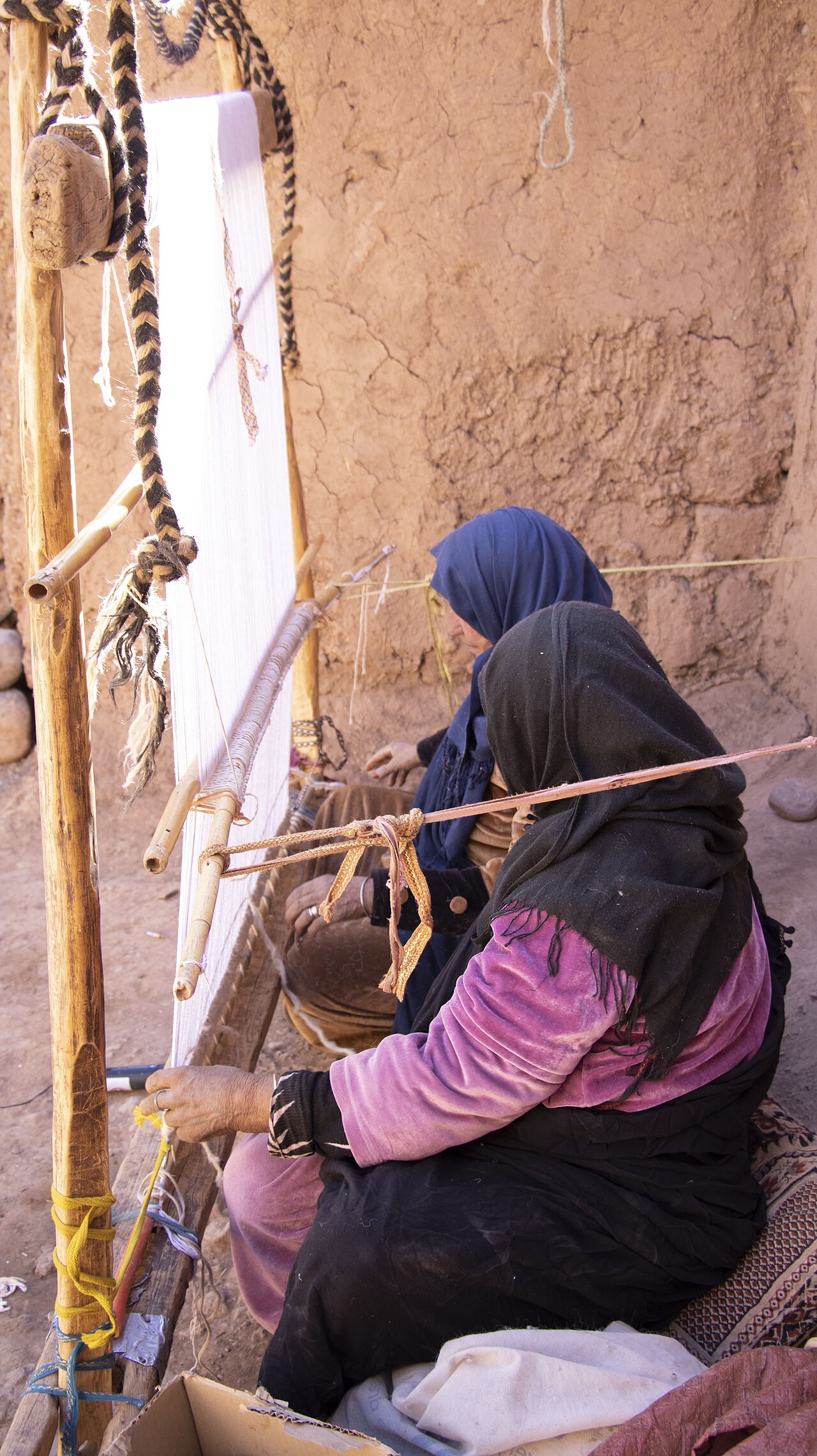
Amazigh carpet weaving in Morocco, shown as craft context
Editorial context · Hassan Oubrahime · CC BY-SA 4.0

Salam from Essaouira

Why the place matters

Essaouira lets wind, rhythm and the Atlantic set the pace. A good plan leaves room for all three.

A Moroccan minute

Follow the fibre, the maker and the movement. Patterns deserve names, time and proper credit.

Useful first. Memorable second. Ideally both.

See the learning loop

From fibre to a useful first sample

  1. Step 1Name fibre and structure
  2. Step 2Set up the task
  3. Step 3Repeat the movement
  4. Step 4Correct tension or stitch
  5. Step 5Credit the maker

Place–skill evidence

Why this skill belongs in Essaouira

Practise stem, satin and chain stitch in a corrected sequence, with practitioner identity, kit, stitch time and retained piece clearly stated.

stem stitchsatin stitchchain stitch
Open the complete place hub
Provider evidence
HOLD
Sources checked
1
Last reviewed
14 Aug 2026

Other qualified skills in this place

Same placeSurfingLearn through a condition-matched progression from briefing and board handling to coached attempts, with active water time separated from booking time.Explore on GoLearnTo Same placeKitesurfingTreat kite control as its own staged discipline, with instructor ratio, equipment, wind threshold and unsuitable-condition policy made explicit.Explore on GoLearnTo Same placeWindsurfingCompare rig handling, balance and coached sailing time without assuming that a windy destination gives every beginner suitable conditions.Explore on GoLearnTo Same placeWingfoilSeparate wing handling, board control and later foil progression so a beginner knows which stage the purchased lesson actually covers.Explore on GoLearnTo Same placeGnawa guembri initiationApproach guembri as a bounded musical and cultural initiation with a named practitioner, respectful repertoire boundary and corrected first rhythm.Explore on GoLearnTo Same placeGnawa dance and krakebsLearn a defined movement and rhythm sequence while distinguishing participatory teaching from festival performance or ritual reenactment.Explore on GoLearnTo Same placeThuya woodwork and marquetryUnderstand the long marquetry chain and identify which safe stage a visitor actually performs rather than mislabelling an observation visit as a class.Explore on GoLearnTo Same placeMoroccan cookingConnect market choices with hands-on preparation, seasoning and a repeatable dish while keeping food controls and home-setting consent visible.Explore on GoLearnTo

Your learning plan

What a good moroccan embroidery experience in Essaouira should feel like

Learn how pattern, fibre and patient hands meet—without treating a cooperative as a decorative stop on a shopping route.

The honest outcome

A small sample where appropriate, vocabulary for the technique and a better way to judge future work.

01

What you should practise

  • Identify fibre, structure or motif
  • Prepare a loom, stitch or small sample
  • Repeat the movement with practitioner feedback

02

A sensible session

  1. Context, consent and material briefing
  2. Hands-on sample or bounded technique
  3. Finishing, care and fair-value discussion

03

Compare before enquiring

  • Named practitioner and learner time
  • Demonstration versus hands-on making
  • Direct compensation and photography consent

A little Moroccan honesty

A showroom explanation is not a weaving or embroidery class. A genuine lesson protects the maker's time, credit and working space.

Local signals

stem stitch · satin stitch · chain stitch

The place–skill fit is evidenced; provider verification is still open.

Essaouira’s researched embroidery format has an unusually clear beginner outline: stem stitch, satin stitch and chain stitch, with step-by-step guidance and a textile piece the learner may retain. The skill qualifies; the provider does not yet qualify for a card because the direct operator and assigned craftswoman remain unclear.

What a useful workshop should include

  1. Material, needle and thread orientation.
  2. A slow demonstration of the first stitch.
  3. Repeated learner practice on a sample area.
  4. Correction of tension, spacing and direction.
  5. Application to a small design.
  6. Notes for finishing the piece later if time runs out.

A kit is helpful, but the retained object is not the main evidence. The learning value comes from correction and a stitch the participant can repeat.

Why the provider is on HOLD

The discovery listing publishes a 2.5-hour format, a ten-person limit and included materials, but it does not identify the direct operator or assigned practitioners sufficiently for an independent GoLearnTo profile. We will not turn a regional listing into a provider identity.

What to verify

  • Direct business or cooperative and current legal identity
  • Named craftswoman, permission, credit and compensation
  • Maximum ratio and individual correction time
  • Exact fabric, thread, needle and prepared design
  • Provenance of any regional or symbolic claims
  • Accessibility, safeguarding and alcohol-free setting
  • Current dates, price, source permission and cancellation terms

Return to Essaouira, compare thuya woodwork, or explore the different hand rhythm of Gnawa dance.

Continue on GoLearnTo

Related places, skills and field guides

Keep exploring

More places and learning ideas