Skip to content
GGoLearnToTravel home with a skill

commercial spoke

Gnawa dance and krakebs workshops in Essaouira

Choose an Essaouira Gnawa dance workshop by movement sequence, krakebs practice, cultural scope, correction and practitioner consent.

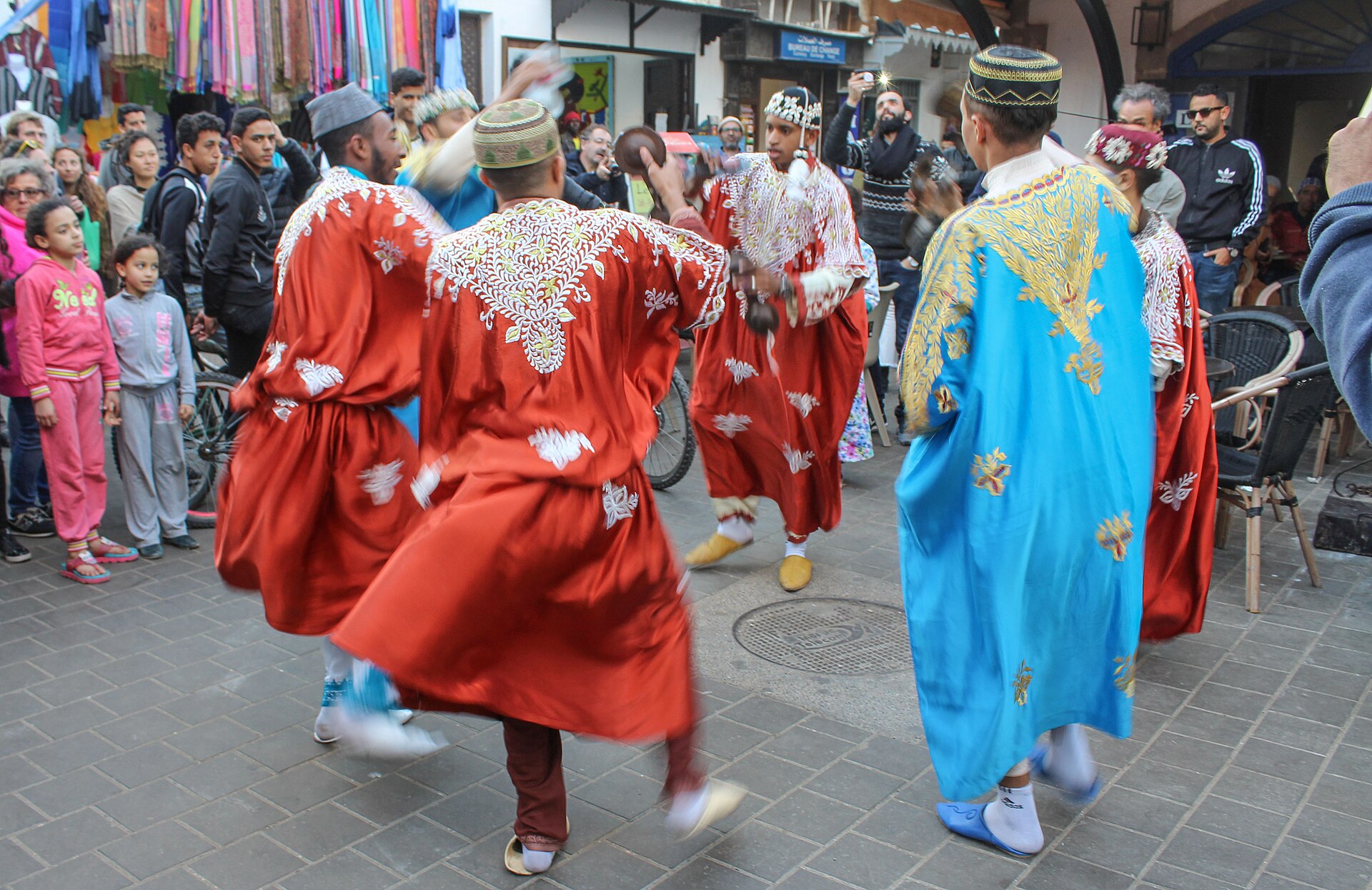
Gnawa musicians in Essaouira medina, shown as cultural context
Editorial context · Elmehdi alem · CC BY-SA 4.0

Salam from Essaouira

Why the place matters

Essaouira lets wind, rhythm and the Atlantic set the pace. A good plan leaves room for all three.

A Moroccan minute

Listen before joining in. Rhythm becomes more generous when context and permission arrive first.

Useful first. Memorable second. Ideally both.

Place–skill evidence

Why this skill belongs in Essaouira

Learn a defined movement and rhythm sequence while distinguishing participatory teaching from festival performance or ritual reenactment.

Gnawa dancekrakebsrhythmic movement
Open the complete place hub
Provider evidence
1 profile
Sources checked
2
Last reviewed
14 Aug 2026

Other qualified skills in this place

Same placeSurfingLearn through a condition-matched progression from briefing and board handling to coached attempts, with active water time separated from booking time.Explore on GoLearnTo Same placeKitesurfingTreat kite control as its own staged discipline, with instructor ratio, equipment, wind threshold and unsuitable-condition policy made explicit.Explore on GoLearnTo Same placeWindsurfingCompare rig handling, balance and coached sailing time without assuming that a windy destination gives every beginner suitable conditions.Explore on GoLearnTo Same placeWingfoilSeparate wing handling, board control and later foil progression so a beginner knows which stage the purchased lesson actually covers.Explore on GoLearnTo Same placeGnawa guembri initiationApproach guembri as a bounded musical and cultural initiation with a named practitioner, respectful repertoire boundary and corrected first rhythm.Explore on GoLearnTo Same placeMoroccan embroideryPractise stem, satin and chain stitch in a corrected sequence, with practitioner identity, kit, stitch time and retained piece clearly stated.Explore on GoLearnTo Same placeThuya woodwork and marquetryUnderstand the long marquetry chain and identify which safe stage a visitor actually performs rather than mislabelling an observation visit as a class.Explore on GoLearnTo Same placeMoroccan cookingConnect market choices with hands-on preparation, seasoning and a repeatable dish while keeping food controls and home-setting consent visible.Explore on GoLearnTo

Your learning plan

What a good gnawa dance and krakebs experience in Essaouira should feel like

Learn a rhythm, movement or musical idea with context—without turning a living tradition into holiday background noise.

The honest outcome

One rhythm, phrase or movement you can describe accurately and practise respectfully.

01

What you should practise

  • Listen and identify a pattern
  • Repeat a bounded phrase or movement
  • Correct timing, technique and group awareness

02

A sensible session

  1. Cultural and instrument context
  2. Call, response and guided repetition
  3. Short shared sequence and reflection

03

Compare before enquiring

  • Named practitioner
  • Participation versus performance
  • Instrument access, volume and cultural boundaries

A little Moroccan honesty

Attending a performance is not the same as studying the tradition. A respectful lesson names the practitioner, lineage and limits of a short encounter.

Local signals

Gnawa dance · krakebs · rhythmic movement

1 researched provider profile is connected to this route.

Independently selected

Experiences to enquire about

How selection works
Gnawa musicians in Essaouira medina, shown as cultural context
Editorial contextLearn in Essaouira, Morocco
Independently selectedTwo hours in the current public description

Gnawa dance and krakebs introduction at Yellow Workshop

Profile for Yellow Workshop

A published two-hour Essaouira dance workshop naming Amine and participant use of krakebs, pending practitioner-governance and teaching-sequence confirmation.

  • Gnawa dance
  • Krakebs
  • Rhythmic movement
See what you’ll learn

A Gnawa dance workshop should teach a bounded movement and rhythm sequence. Watching a festival performance is a different experience, and sacred or ritual material should not be copied as entertainment for visitors.

What can fit into two hours?

A beginner session may introduce the pulse, posture, one or two movement patterns and basic use of krakebs. The teacher can then combine them into a short phrase and correct timing or coordination. That is enough for a meaningful first encounter without claiming fluency in a living tradition.

Stage Evidence of instruction
Context Teacher explains what is appropriate to teach
Rhythm Learner hears and repeats a bounded pulse
Movement Sequence is demonstrated at learnable speed
Combination Movement and krakebs are joined carefully
Review Teacher corrects timing, posture or coordination

What to verify

  • Current named teacher and their relationship to the practice
  • Exact movement and krakebs stages
  • Group size and individual feedback
  • Cultural and repertoire boundaries
  • Instrument hygiene, hearing and physical-access considerations
  • Recording and photography consent
  • Safeguarding and explicit alcohol-free setting
  • Current dates, price and cancellation terms

Explore what you can learn in Essaouira, compare guembri initiation, or read how GoLearnTo handles Gnawa.

Evidence

Selected references

Official and institutional references used for place, heritage or practical context. Commercial operators and marketplaces are kept in our private research ledger rather than promoted here. Reviewed 14 August 2026.

  1. UNESCO Intangible Cultural Heritage

Continue on GoLearnTo

Related places, skills and field guides