Skip to content
GGoLearnToTravel home with a skill

commercial spoke

Weaving and textile workshops in Marrakech

Choose a Marrakech weaving workshop by loom practice, tension correction, textile interpretation, artisan attribution and honest making time.

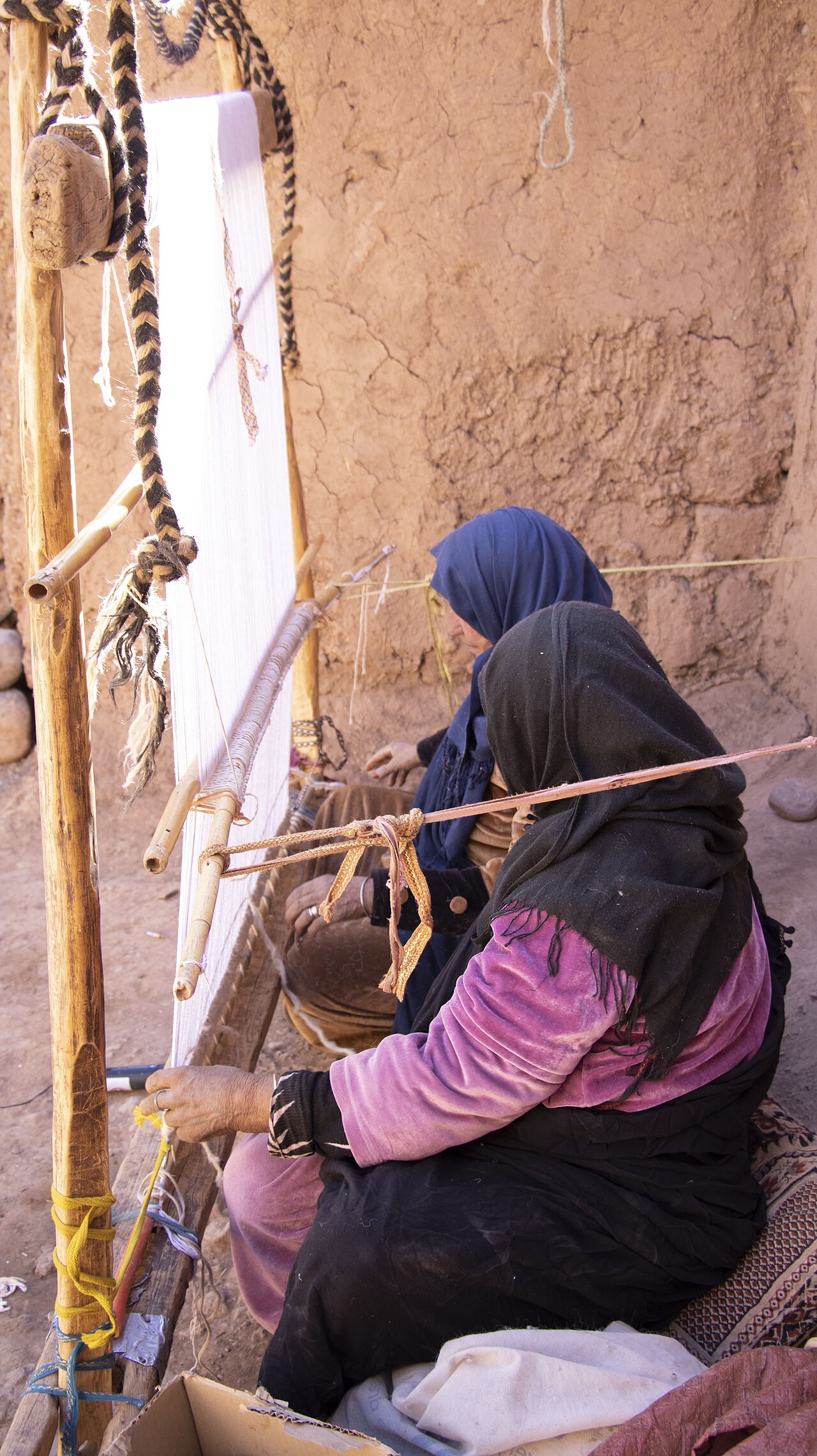
Amazigh carpet weaving in Morocco, shown as craft context
Editorial context · Hassan Oubrahime · CC BY-SA 4.0

Salam from Marrakech

Why the place matters

Marrakech offers plenty of sparkle. Your job is to find the lesson hiding behind the packaging.

A Moroccan minute

Follow the fibre, the maker and the movement. Patterns deserve names, time and proper credit.

Useful first. Memorable second. Ideally both.

See the learning loop

From fibre to a useful first sample

  1. Step 1Name fibre and structure
  2. Step 2Set up the task
  3. Step 3Repeat the movement
  4. Step 4Correct tension or stitch
  5. Step 5Credit the maker

Place–skill evidence

Why this skill belongs in Marrakech

Learn a bounded loom sequence and how textile structure is read, while distinguishing a workshop from a museum visit or rug sale.

vertical loomMoroccan rugstextile heritage
Open the complete place hub
Provider evidence
1 profile
Sources checked
2
Last reviewed
14 Aug 2026

Other qualified skills in this place

Your learning plan

What a good weaving and textile heritage experience in Marrakech should feel like

Learn how pattern, fibre and patient hands meet—without treating a cooperative as a decorative stop on a shopping route.

The honest outcome

A small sample where appropriate, vocabulary for the technique and a better way to judge future work.

01

What you should practise

  • Identify fibre, structure or motif
  • Prepare a loom, stitch or small sample
  • Repeat the movement with practitioner feedback

02

A sensible session

  1. Context, consent and material briefing
  2. Hands-on sample or bounded technique
  3. Finishing, care and fair-value discussion

03

Compare before enquiring

  • Named practitioner and learner time
  • Demonstration versus hands-on making
  • Direct compensation and photography consent

A little Moroccan honesty

A showroom explanation is not a weaving or embroidery class. A genuine lesson protects the maker's time, credit and working space.

Local signals

vertical loom · Moroccan rugs · textile heritage

1 researched provider profile is connected to this route.

Independently selected

Experiences to enquire about

How selection works
Amazigh carpet weaving in Morocco, shown as craft context
Editorial contextLearn in Marrakech, Morocco
Independently selectedEnquire for dates

Weaving introduction at Maison Culturelle du Tapis

Profile for Maison Culturelle du Tapis

A Marrakech textile institution presenting museum interpretation and immersive weaving workshops, including a published mini-rug outcome that still needs operational verification.

  • Weaving
  • Textile heritage
  • Rug structure
See what you’ll learn

Marrakech can introduce textile heritage through museum interpretation, loom practice and conversations about structure, fibre and regional attribution. These are different products. A rug display can teach context; only supervised work at a loom is a weaving workshop.

Start with the learner’s role

Format Learner action Honest outcome
Textile interpretation Compare structure, motif and provenance Better visual and historical understanding
Loom demonstration Watch warping, knotting or beating Process recognition
Mini-loom workshop Build rows and correct tension A first woven sample
Rug retail visit Compare finished objects A purchase decision, not a class

A short session will often use a prepared warp. That is sensible when declared, because warping can consume much of the available time. Ask what the teacher prepared and which sequence you complete.

What should be taught?

The useful beginner loop is colour or fibre choice, a demonstrated action, repeated rows or knots, tension correction and a review of the sample. Motif explanations should avoid assigning one fixed meaning to every symbol without evidence; textile traditions vary by maker, region and period.

Practitioner attribution matters. “Made by local women” is not enough. Ask who teaches, how the workshop or museum works with makers, and how fees reach the people whose knowledge creates the experience.

What to verify

  • Is this interpretation, demonstration, loom practice or retail?
  • Who teaches and what tradition or technique do they practise?
  • Is the loom warped in advance, and how much hands-on time remains?
  • What correction will the learner receive?
  • Are fibre origin, dye claims and motif interpretations evidenced?
  • What sample can be completed and carried?
  • Are accessibility, safeguarding and alcohol-free setting confirmed?

Return to what you can learn in Marrakech, compare all craft workshops, or read the carpet-weaving guide.

Evidence

Selected references

Official and institutional references used for place, heritage or practical context. Commercial operators and marketplaces are kept in our private research ledger rather than promoted here. Reviewed 14 August 2026.

  1. UNESCO World Heritage Centre

Continue on GoLearnTo

Related places, skills and field guides

Keep exploring

More places and learning ideas