Skip to content
GGoLearnToTravel home with a skill

commercial spoke

Argan workshops and interpretation in Taghazout

Understand Taghazout argan experiences by practitioner role, participant action, edible and cosmetic boundaries, provenance and evidence of community benefit.

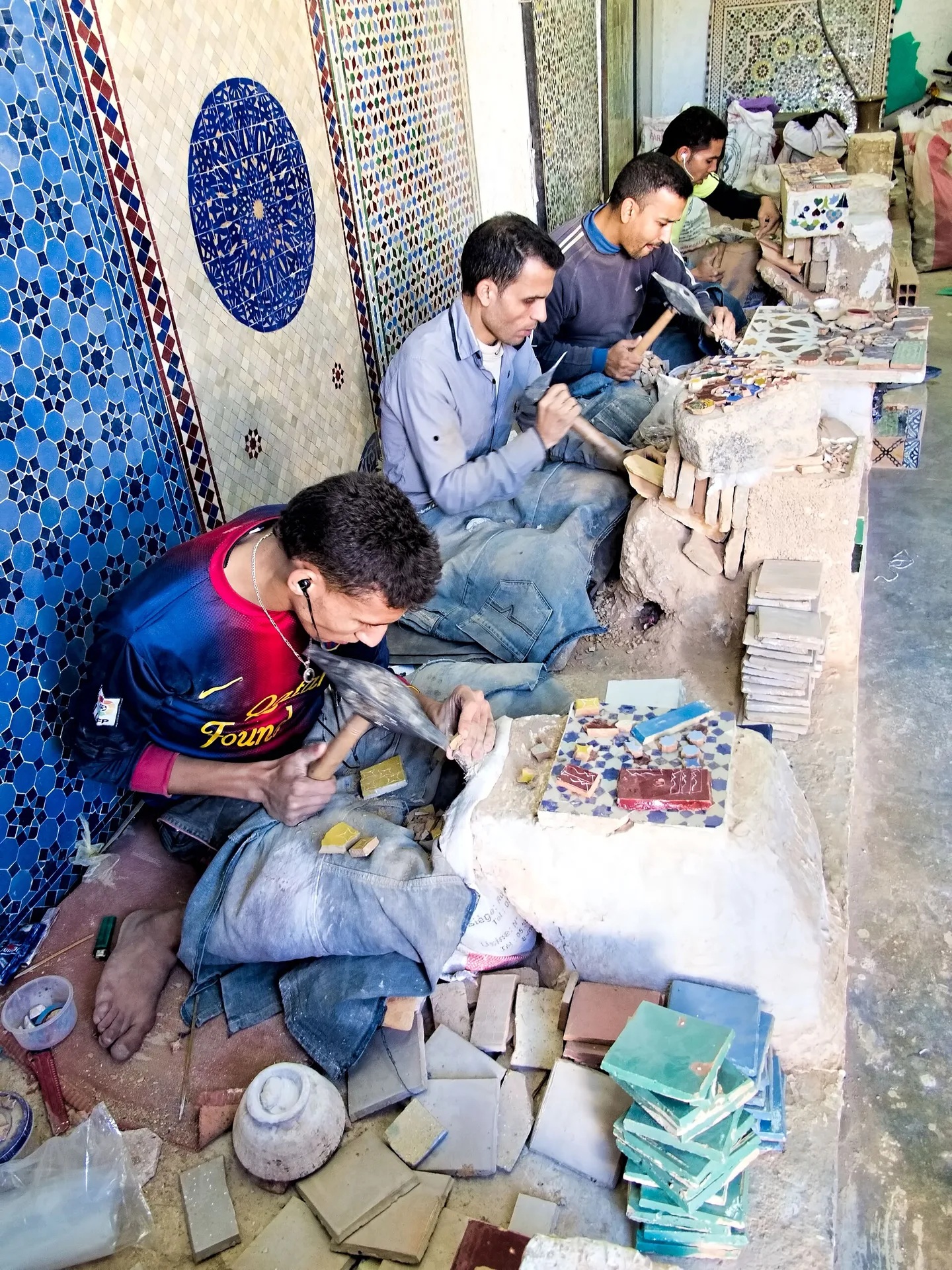
Zellige pieces in a Moroccan workshop, shown as craft context
Editorial context · Dan Lundberg · CC BY-SA 2.0

Salam from Taghazout

Why the place matters

Taghazout runs on Atlantic time. The best lesson follows your level and the waves, not a glossy timetable.

A Moroccan minute

Meet the material before chasing the souvenir. Good hands-on work makes the tools and maker visible.

Useful first. Memorable second. Ideally both.

Place–skill evidence

Why this skill belongs in Taghazout

Understand the argan tree, edible and cosmetic product distinction and production chain while identifying whether the visitor actually performs a stage.

Argania spinosaargan interpretationSouss-Massa
Open the complete place hub
Provider evidence
1 profile
Sources checked
2
Last reviewed
14 Aug 2026

Your learning plan

What a good argan interpretation experience in Taghazout should feel like

Try one bounded craft process properly, with the person, tools and safety behind it kept visible.

The honest outcome

A small piece or practice sample when feasible, and enough understanding to describe who made what.

01

What you should practise

  • Read the material and tool
  • Make or decorate a controlled piece
  • Correct the technique and finish safely

02

A sensible session

  1. Practitioner-led demonstration
  2. Supervised making
  3. Finish, care and attribution

03

Compare before enquiring

  • Named craftsperson
  • Hands-on share of the process
  • Tool, material and transport safety

A little Moroccan honesty

A retail stop, factory visit or artisan demonstration should never be relabelled as a workshop simply because a traveller is holding a tool for a photograph.

Local signals

Argania spinosa · argan interpretation · Souss-Massa

1 researched provider profile is connected to this route.

Independently selected

Experiences to enquire about

How selection works
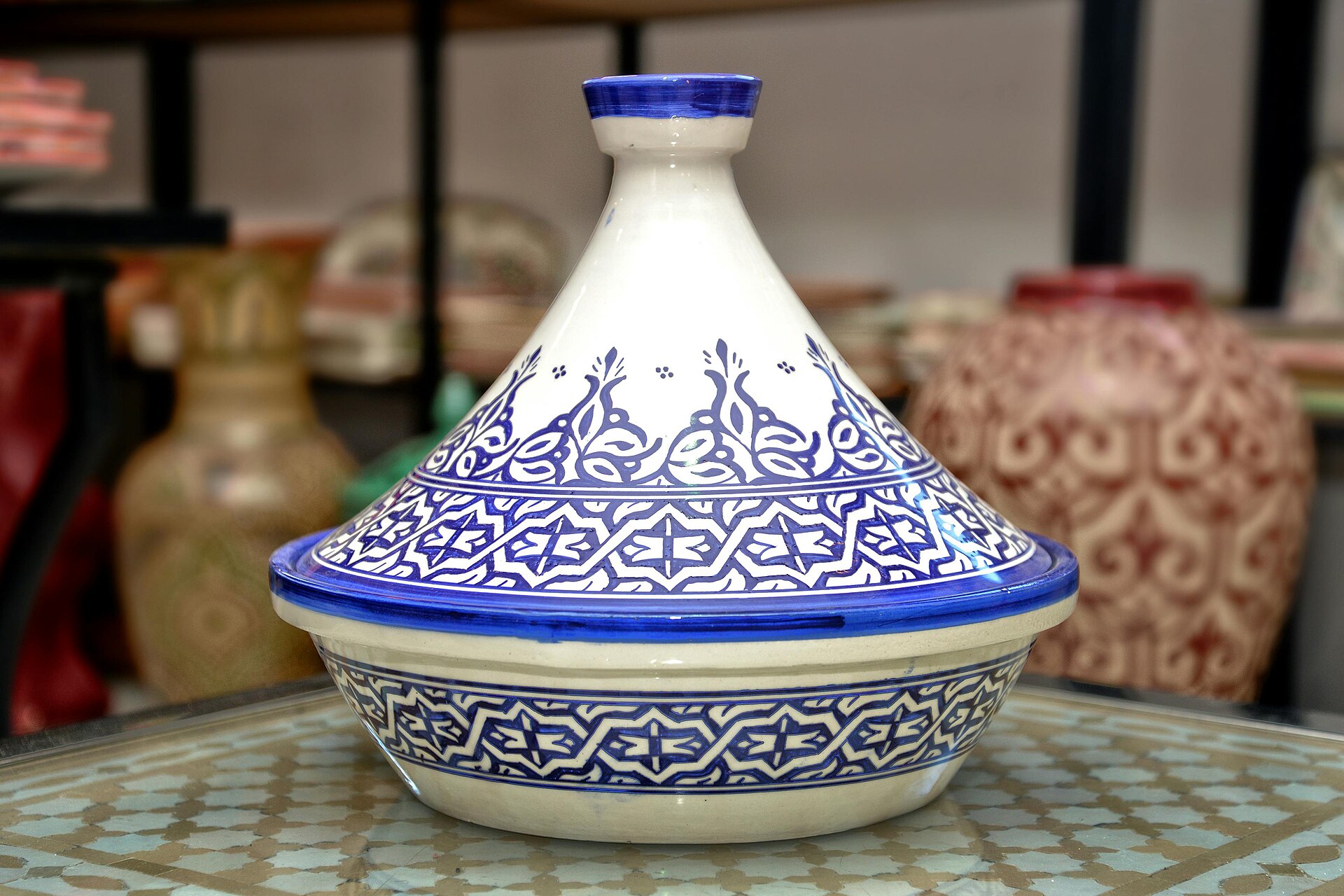
Traditional Moroccan tagine vessel, shown as culinary context
Editorial contextLearn in Taghazout, Morocco
Independently selectedTwo hours in the summary; three hours in the inclusions—confirmation required

Argan-focused Moroccan cooking class in Taghazout

Profile for Targant – Musée de l’Arganier

A museum-based cooking class using local products and culminating in a shared tasting; the current page conflicts on whether it lasts two or three hours.

  • Moroccan cooking
  • Argan food traditions
See what you’ll learn

An argan experience in Taghazout can teach ecology, food, material culture and production—but only if it identifies the learner’s role. A museum visit, a practitioner demonstration and a hands-on workshop are three different formats.

Identify the format honestly

Format Honest outcome
Museum interpretation Understand the tree, region and production chain
Demonstration Observe practitioner decisions and ask informed questions
Guided participation Perform a safe, bounded stage with correction
Cooking class Use culinary argan in a dish and distinguish product forms

A short visitor session should not claim mastery of a long chain. It should state exactly what the participant handles, compares or makes and what remains practitioner work.

Edible and cosmetic argan are not interchangeable

The host should identify the product type, provenance and intended use. A Taghazout cooking class can explain culinary use, while a broader interpretation session can map the tree and production system. Unsupported nutrition, medical and cosmetic-result claims should be excluded.

Treat impact claims as claims

The researched institution publishes governance and solidarity statements. Those are useful questions, not independent proof. Ask who currently manages the activity, who teaches, how practitioners are credited and compensated, where visitor payments go and which part can be verified.

What to verify

  • Named practitioner or interpreter and their current role
  • Participant action, correction and retained outcome
  • Product provenance and edible-versus-cosmetic boundary
  • Tool, hygiene, allergy and handling controls
  • Practitioner credit, compensation and consent
  • Governance and evidence behind community-benefit claims
  • Accessibility, insurance and safeguarding
  • Explicit alcohol-free venue and inclusions
  • Current duration, dates, price and cancellation terms

Read the broader argan guide for entity context or return to Taghazout’s eight qualified skills. The profile shown here remains a research lead until its duration conflict, teacher identity and operating details are resolved.
Continue on GoLearnTo

Related places, skills and field guides

Keep exploring

More places and learning ideas