Fes deserves more than a single “craft workshop” label. The city supports distinct learning routes through pottery, zellige, weaving, natural dye, leather, bookbinding, calligraphy and metal engraving. Each uses different materials, time scales and safety controls.
Start with the learner’s actual job
| Level |
Learner role |
Honest label |
| 1 |
Watches a process |
Demonstration |
| 2 |
Asks questions across several workshops |
Artisan interpretation |
| 3 |
Tries one selected step |
Sampled participation |
| 4 |
Completes a supervised sequence |
Hands-on workshop |
| 5 |
Repeats, receives correction and improves |
Skills course |
All five formats can be worthwhile. The problem begins when a viewpoint or shopping stop is sold with the language of a course.
Choose by material and time
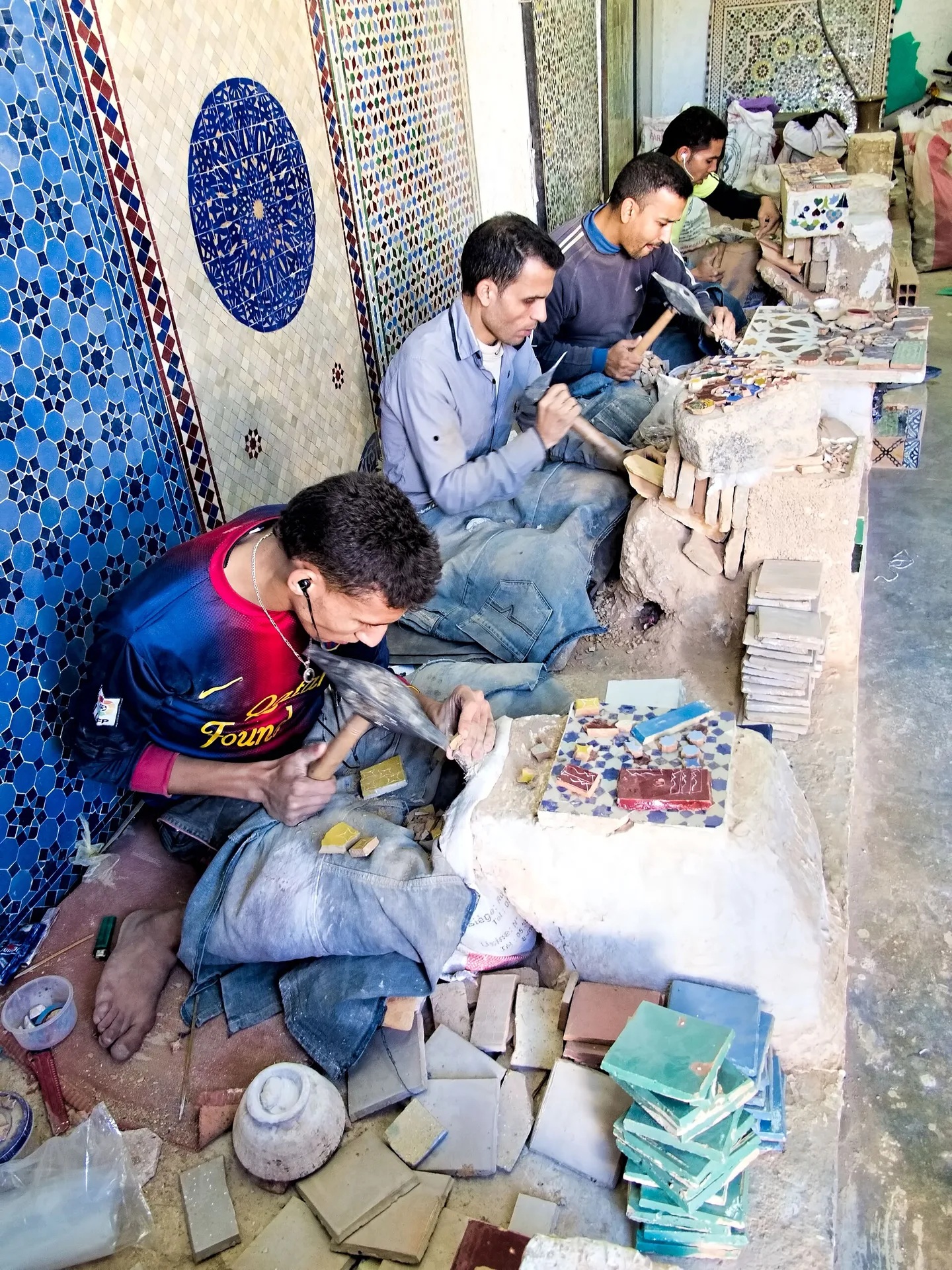
- Pottery and zellige involve clay, surface treatment, geometric planning, drying or firing.
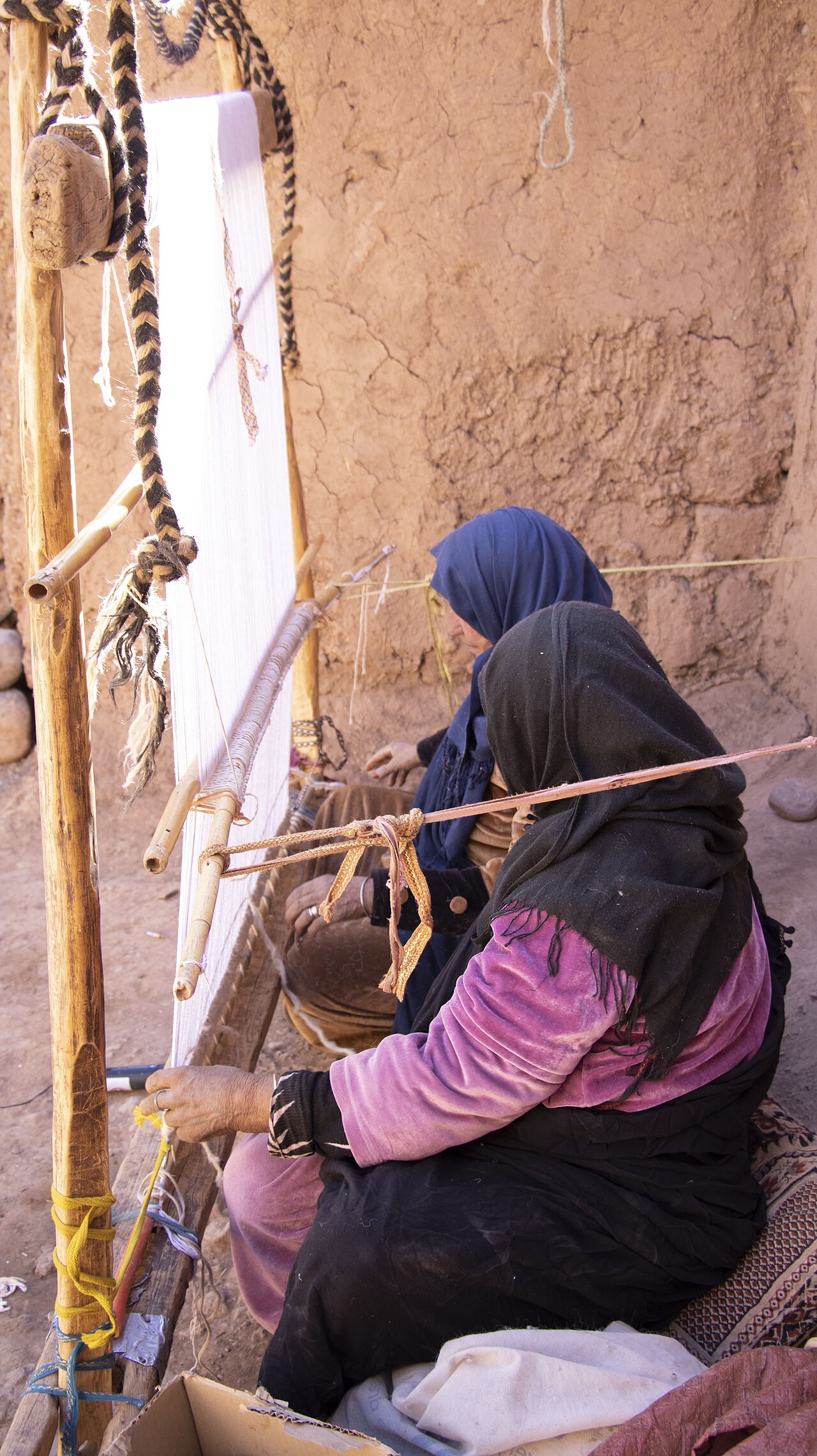
- Weaving and natural dye involve fibre preparation, colour, loom or spindle work and repeated hand control.
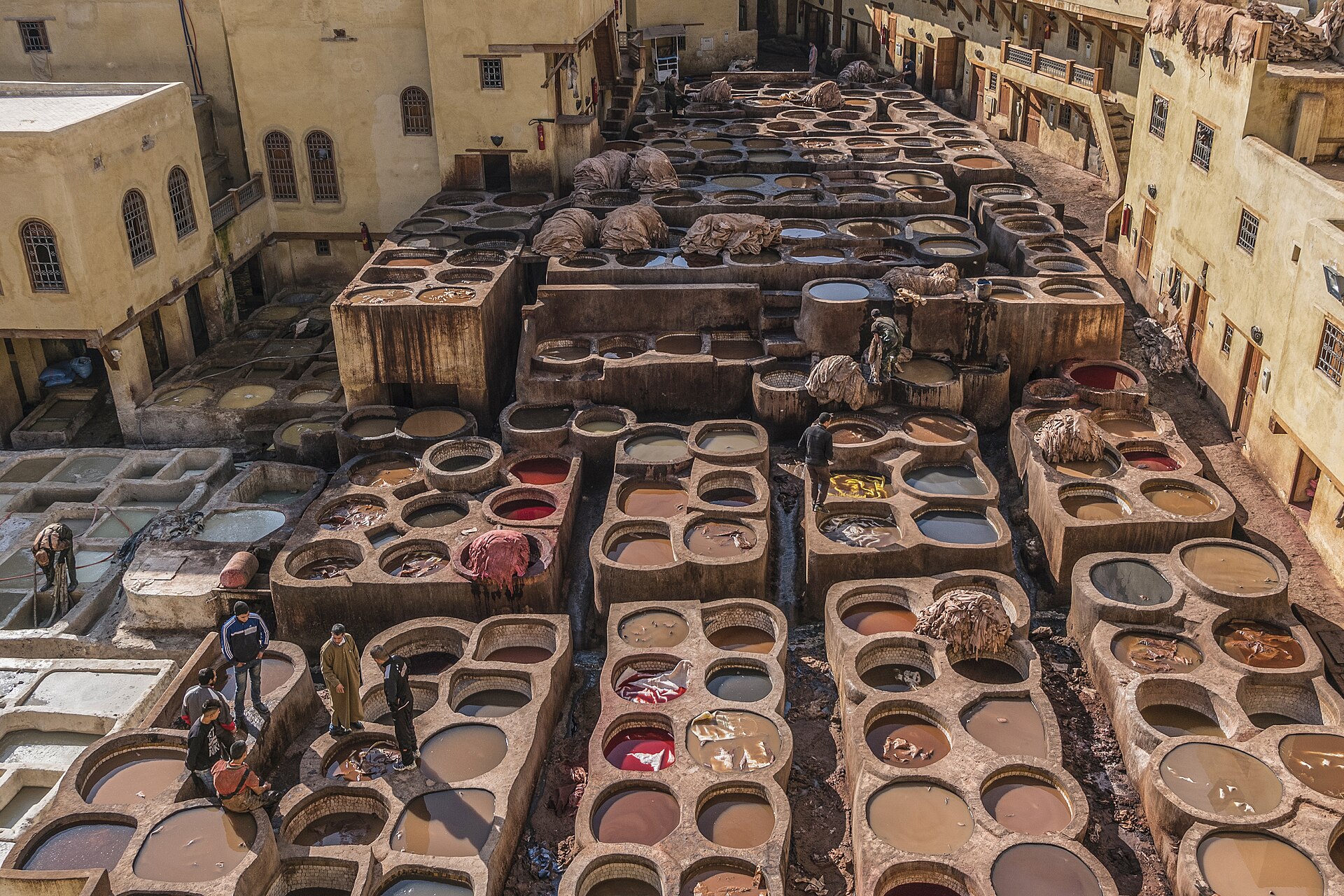
- Leather craft and bookbinding involve pattern transfer, cutting, punching, stitching and finishing.
- Metal engraving involves tracing, controlled hammer work and sharp or noisy tools.
- Arabic calligraphy depends on letter construction, proportion and correction rather than object production.
A two-hour taster should offer a bounded first attempt. A multi-day course should provide repetition, feedback and a more substantial object or portfolio.
Artisan governance matters
Ask who teaches, who receives the fee and how the practitioner wants to be named. A guide, retailer and artisan may all contribute, but their roles should not be blurred. Photography and workshop access require consent, especially where the space is also someone’s workplace.
Direct-maker governance does not automatically prove teaching quality. Conversely, a skilled teacher may work through an intermediary. GoLearnTo evaluates compensation and instruction as separate evidence questions.
Current Fes leads
Anou publishes the clearest current learning loop in our research: design and colour choice, artisan guidance, independent practice, progress checks and a retained piece. Fes Leather Workshop describes a longer sequence through selecting, tracing, cutting, punching, stitching and finishing. Fes Pottery Art exposes several formats but still needs clearer teacher, firing and material controls.
Culture Vultures offers a different product: a private route through multiple artisan workshops with questions and sampled practice. It belongs under interpretation, not a claim of mastering several crafts in one morning.
Verification checklist
- Named practitioner and their preferred attribution
- Exact learner tasks and pre-completed stages
- Group size and correction method
- Material provenance and safe handling
- Dust, dye, blade, heat, noise and protective-equipment controls
- Drying, firing, collection or shipping arrangements
- Accessibility, insurance and child safeguarding
- Practitioner consent and compensation
- Explicitly alcohol-free venue and inclusions
- Current price, date and cancellation terms
Use the Fes city hub to combine a craft with language or cooking, and consult the zellige, carpet weaving and leather tanning guides before choosing a format.
Evidence
Selected references
Official and institutional references used for place, heritage or practical context. Commercial operators and marketplaces are kept in our private research ledger rather than promoted here. Reviewed 14 August 2026.
- UNESCO World Heritage Centre
 Editorial contextLearn in Fes, Morocco