Skip to content
GGoLearnToTravel home with a skill

commercial spoke

Cultural-landscape learning in the Atlas Mountains

Understand Atlas terraces, irrigation, livelihoods and change through sourced interpretation, exact communities, consent, compensation and local boundaries.

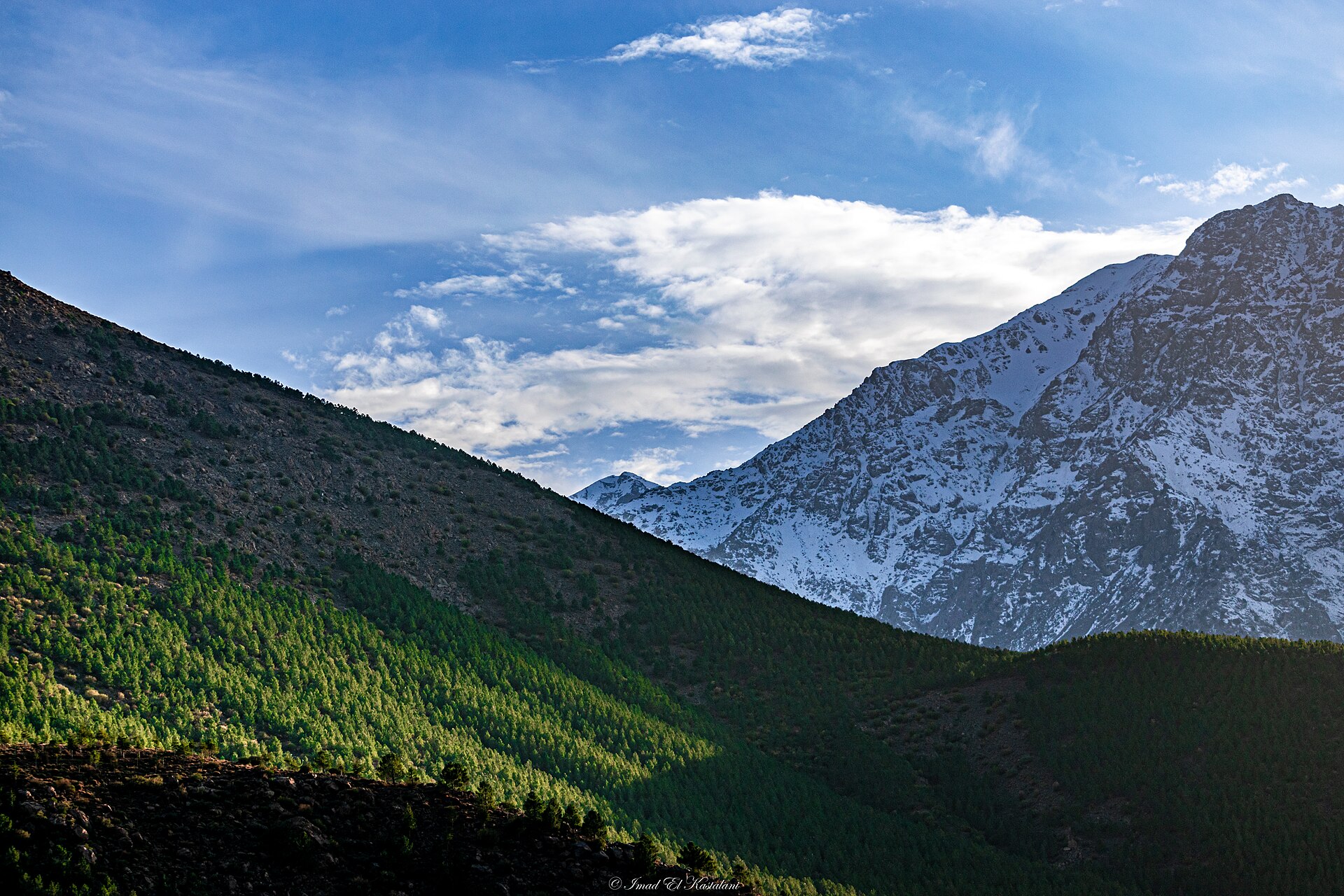
Atlas Mountains seen from Imlil, shown as terrain and place context
Editorial context · Imad.kastalani · CC BY-SA 4.0

Salam from Atlas Mountains

Why the place matters

In the Atlas, weather and terrain join every lesson. They are strict teachers, but very fair ones.

A Moroccan minute

Check the route, kit and turnaround plan. Bravado is surprisingly heavy to carry uphill.

Useful first. Memorable second. Ideally both.

Your learning plan

What a good cultural-landscape interpretation experience in Atlas Mountains should feel like

Learn how to read a place, connect evidence and test an interpretation instead of collecting a list of dates at walking speed.

The honest outcome

A sharper way to read the next building, landscape, collection or historical claim.

01

What you should practise

  • Observe a site or object closely
  • Connect it to a named source or period
  • Compare interpretations and ask what changed

02

A sensible session

  1. Question-led route briefing
  2. Field observation and discussion
  3. Short synthesis or comparison

03

Compare before enquiring

  • Guide expertise and sources
  • Route thesis
  • Access, photography and sensitive-site boundaries

A little Moroccan honesty

A guided visit can be deeply educational without being hands-on. The honest label is interpretation, not a practical craft course.

Local signals

terraces · irrigation · consent before culture

The place–skill fit is evidenced; provider verification is still open.

Atlas cultural landscapes are inhabited systems. Terraces, irrigation, agriculture, craft and paths can be interpreted, but homes, cooperatives, faces and stories are not automatically visitor inventory.

This skill belongs in Atlas Mountains. We are still checking the right local provider.

Connect features to people and change

A useful interpreter links a visible feature to sourced history, present-day work and a second point of evidence. The learner records comparison without claiming one community represents the whole Atlas.

What to verify

  • High, Middle or Anti-Atlas and exact community
  • Named local source, guide or researcher
  • Evidence for historical and present-day claims
  • Resident permission and right to decline
  • Photography, story and image-use boundaries
  • Translation and multiple viewpoints
  • Compensation or community-benefit pathway
  • Post-earthquake status checked locally and currently
  • Accessibility, safeguarding and cancellation
  • Explicit alcohol-free route and inclusions

Return to the Atlas Mountains hub, read the landscape through geology, or follow the material process through weaving.

Evidence

Selected references

Official and institutional references used for place, heritage or practical context. Commercial operators and marketplaces are kept in our private research ledger rather than promoted here. Reviewed 14 August 2026.

  1. UNESCO

Continue on GoLearnTo

Related places, skills and field guides

Keep exploring

More places and learning ideas