Fes is the city for travellers who like to look behind the finished object. Here, a blue bowl leads you to clay and kiln firing; a leather bag leads you to tanning and stitching; a tiled fountain leads you to geometry, glaze and a very sharp chisel. Add Arabic, calligraphy and Fassi cooking, and you have one of Morocco’s richest learning cities.
The medina can hide a doorway. Your workshop should not hide the lesson plan.
Fes at a glance
| Come to Fes for… |
A realistic first outcome |
Give it… |
| Arabic or Darija |
A practical phrase set, pronunciation correction or structured course plan |
Two hours to several weeks |
| Zellige and pottery |
A small mosaic, painted piece or first controlled cutting practice |
Two hours to a full day |
| Leather craft |
A stamped, stitched or bound object using prepared leather |
Two to four hours |
| Weaving |
A small sample and a clear understanding of warp, weft and tension |
Two hours to several days |
| Fassi cooking |
A repeatable dish, spice method and market vocabulary |
Three to five hours |
| Calligraphy |
Basic letter construction and a short finished composition |
About two hours |
| Artisan interpretation |
A guided understanding of several crafts, with limited participation |
Half a day |
Why Fes works so well for learning
UNESCO recognises the Medina of Fez as a historic urban system where skills, culture and ways of life continue to be transmitted. That matters because the city is not a craft theme park. Potters, metalworkers, tanners, weavers, cooks and teachers still work within a living place.
The opportunity is exceptional; the labels can be confusing. “Workshop” may mean a practical class, a short demonstration, a guided visit or a shop presentation. Decide what you want your hands to do before choosing the page with the prettiest photographs.
Fes rewards time. One well-chosen morning at a workbench will teach you more than six rushed demonstrations between shops.
Learn Arabic and Darija
Fes supports both structured language study and short cultural introductions. Modern Standard Arabic is the formal written variety used across the Arabic-speaking world. Darija is Morocco’s spoken Arabic, shaped by regional use and contact with Tamazight, French and Spanish.
Choose Arabic and Darija courses in Fes when you want clear teaching hours, a starting level and correction. ALIF publishes intensive formats that are very different from a casual two-hour taster. Both can be worthwhile; they simply produce different results.
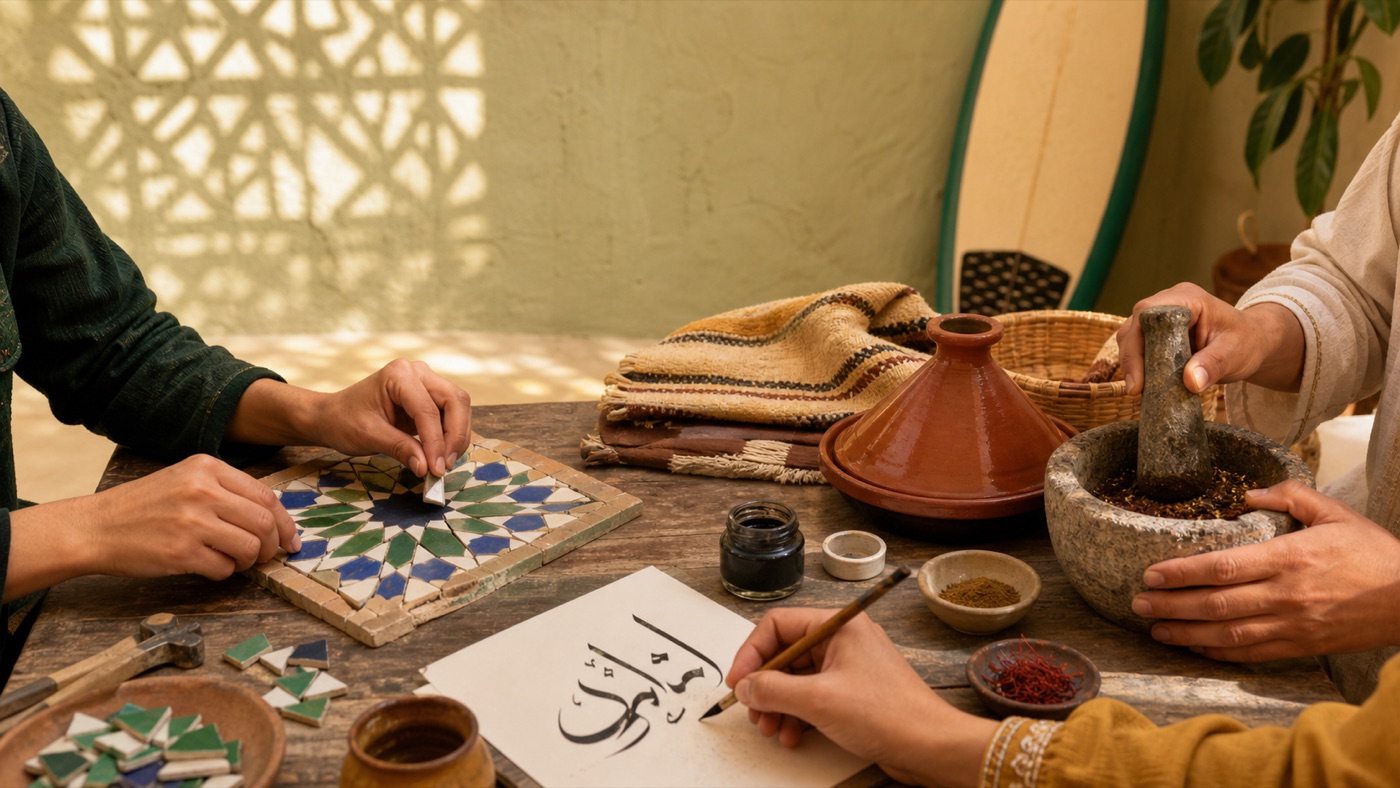
For a creative doorway into the script, try Arabic calligraphy. A beginner session should explain how letters are formed, which script is being introduced and how the pen angle changes the line. Writing your name is a cheerful first outcome—not mastery of the whole tradition before tea.
Pottery and zellige: choose the stage
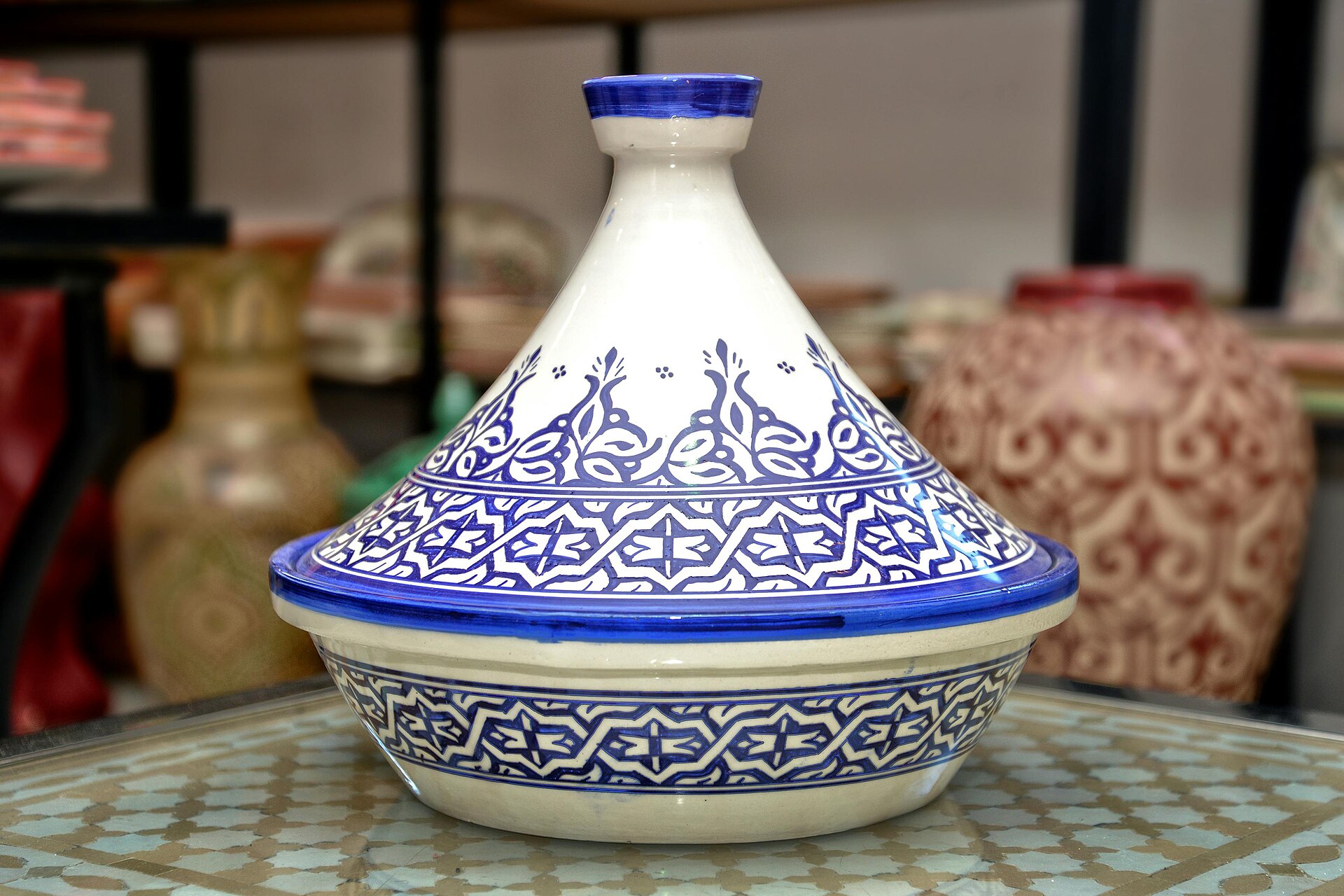
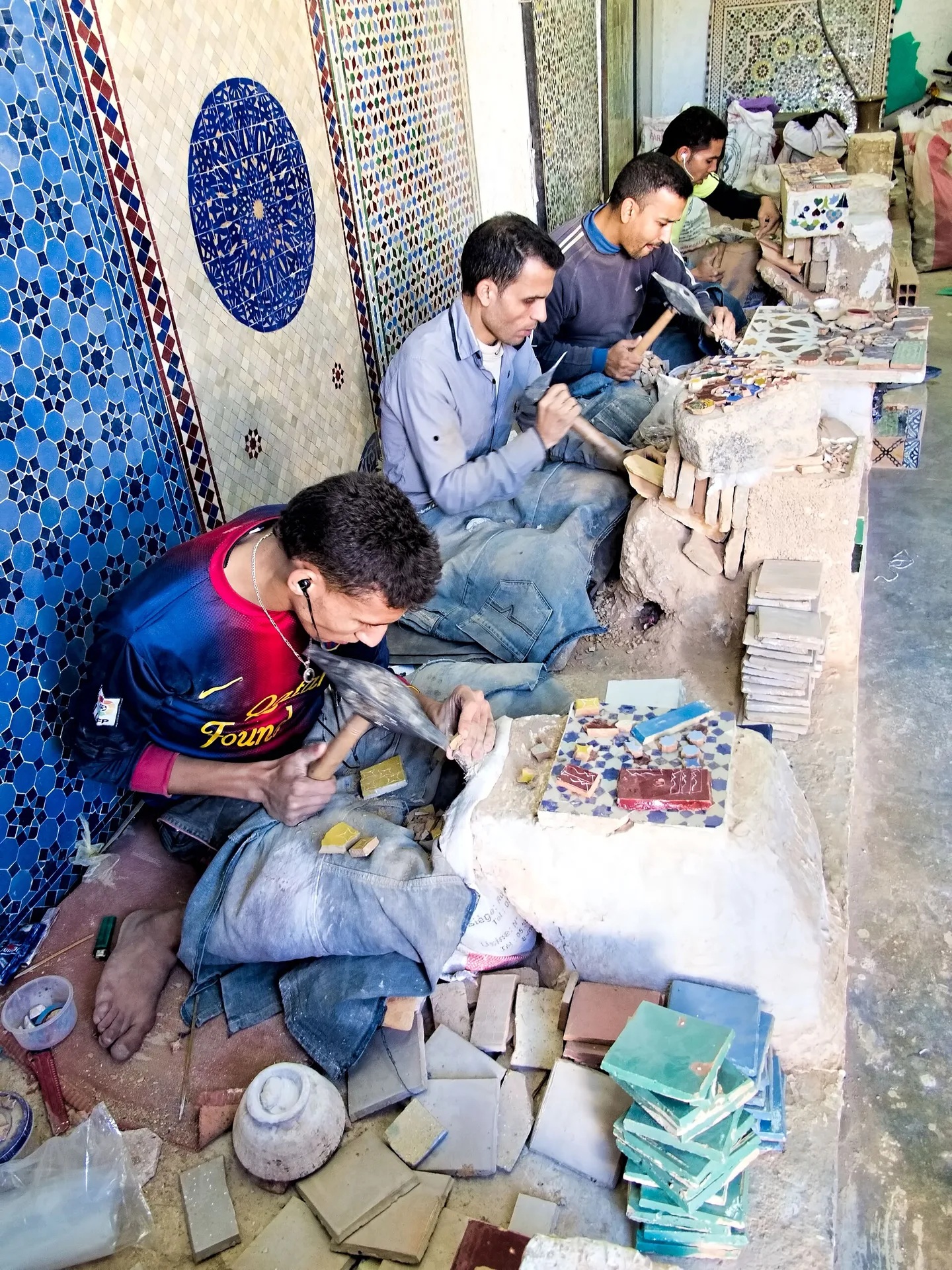
Fes is one of Morocco’s most important ceramic centres. The full chain includes clay preparation, shaping, drying, firing, glazing, cutting and assembly. A short visitor class touches only part of it.
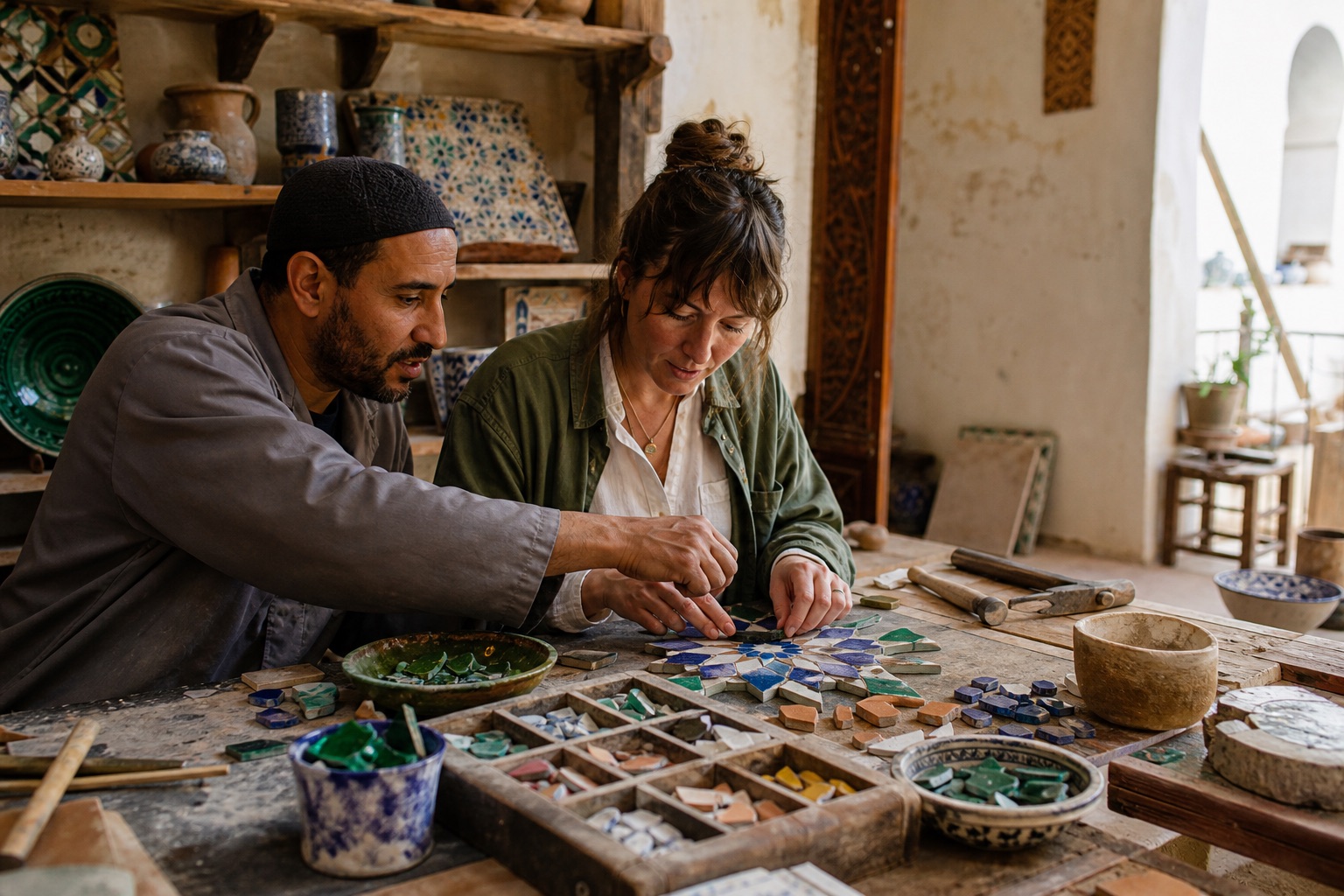
Use the Fes pottery and zellige page to compare wheel work, hand-building, painting, tile cutting and mosaic assembly. Then read the zellige field guide before choosing. It explains why arranging pre-cut pieces is not the same skill as cutting fired tile—and why both can still be excellent lessons when named honestly.
Ask what you will make, whether it needs firing and how collection or shipping works. Wet clay is a terrible last-minute airport surprise.
Leather: look beyond the tannery viewpoint
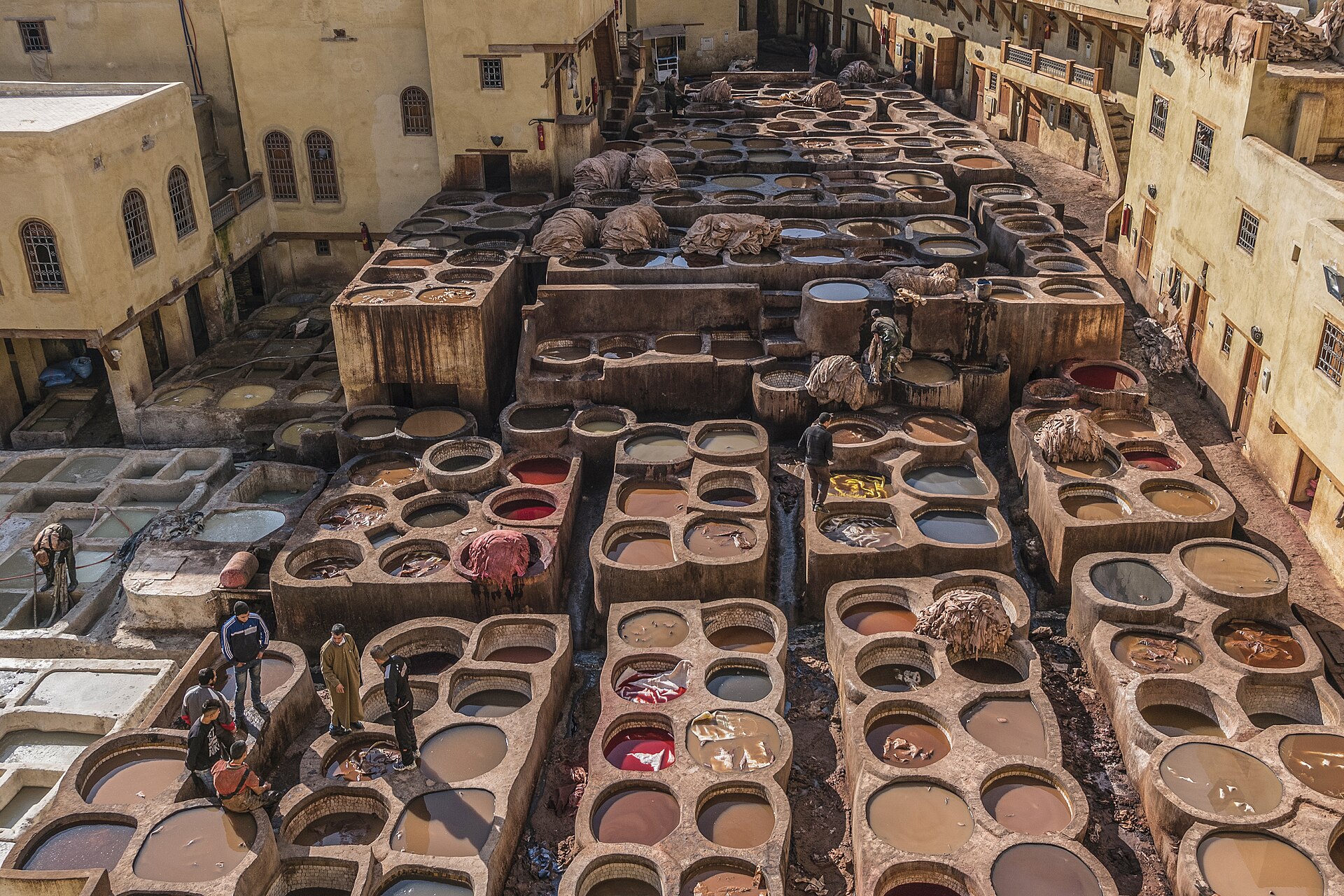
Chouara is visually famous, but a terrace view over the vats is interpretation, not a leather class. Practical leatherwork happens at a bench with prepared material, punches, thread, stamps and careful supervision.
Compare leather craft and bookbinding in Fes with the leather-tanning guide. A short session might produce a card holder, journal cover or stamped sample. Ask which steps are yours and which were completed in advance.
If a route combines the tannery with making, that can work beautifully: first understand the material’s journey, then learn what skilled hands can do with it.
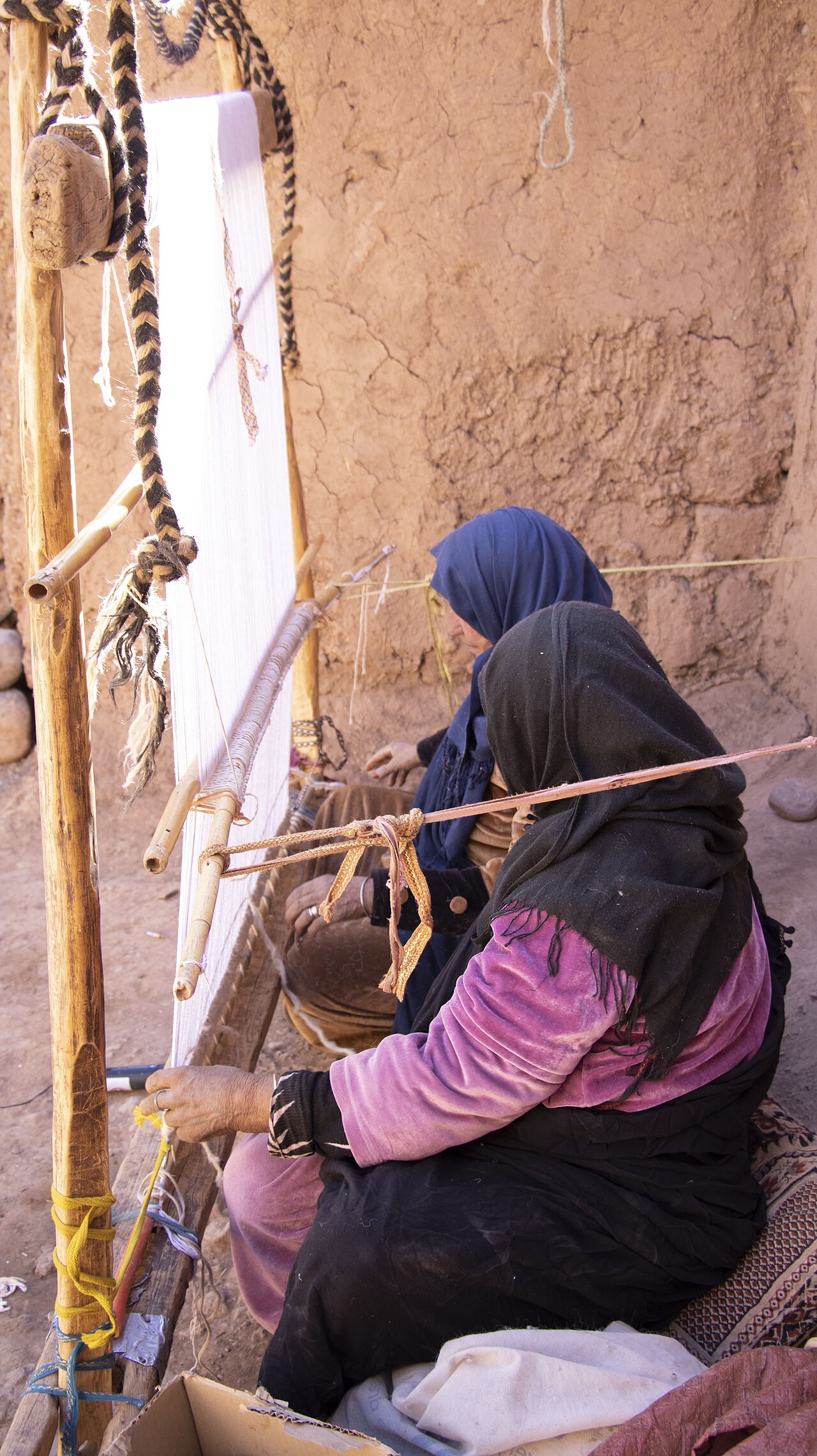
Weaving workshops in Fes may introduce warp, weft, knotting, tension, fibre and colour. The carpet-weaving guide helps you separate real loom time from a carpet sales stop.
Metal engraving is another strong fit. A beginner may trace a pattern, practise hammer control or engrave a small brass surface. Watching the copper beaters is interesting; holding the tool and receiving correction is learning.
For breadth, choose an artisan interpretation route. These visits can connect several trades and help you ask better questions. They should not be sold as deep training in eight crafts before lunch.
Fassi cooking: market, method and memory
Fes has a serious food identity, with dishes and techniques shaped by household, season and city tradition. A Fes cooking class should give you a practical role: shopping or ingredient comparison, preparation, seasoning, cooking and tasting.
Ask how much of the three- or four-hour session is active cooking. A good teacher explains why ingredients are ordered and how to adapt the method at home. The tagine technique guide, ras el hanout guide and communal-oven guide make useful preparation.
Every GoLearnTo cooking lead must be fully alcohol-free in its ingredients, venue and promoted inclusions.
Where to base yourself
- Fes el-Bali: best for medina atmosphere and walking access to many craft sites; expect stairs, slopes and navigation time.
- Fes el-Jdid: useful for understanding another part of the historic city and reaching nearby quarters.
- Ville Nouvelle: easier for vehicles, wider streets and some language-school access; allow transfer time to medina workshops.
The “closest” hotel is not always the easiest base. Ask for the exact meeting point and route. A ten-minute map distance may become a half-hour medina conversation—and, honestly, sometimes that conversation is the best part.
Spring and autumn are generally comfortable for walking. Summer heat can build inside lanes and workshops; winter mornings may feel cold in traditional buildings. Confirm ventilation, seating, breaks, prayer-time arrangements and any collection delay for fired or finished work.
A simple two-day learning plan
Day one: begin with a guided medina and artisan interpretation route. Choose one practical craft—zellige, leather or weaving—for a focused afternoon. Use the evening to review what you saw, rather than squeezing in another sales stop.
Day two: take a language, calligraphy or cooking session. You will notice more vocabulary, signs, ingredients and workshop details because the first day gave you context.
For a longer stay, repeat the same skill. Correction on the second attempt is where a pleasant activity starts becoming learning.
Questions that reveal a real Fes class
- Who teaches, and what is their craft or teaching background?
- What will I do with my own hands?
- How many learners share the teacher and tools?
- Which stages are prepared before I arrive?
- What can I reasonably finish or repeat later?
- Are buying and tipping optional and clearly explained?
- What are the tool, dust, heat and ventilation controls?
- Is the full route accessible for my needs?
- May I photograph the practitioner and workplace?
- Is the entire experience alcohol-free?
Keep exploring Morocco
Compare Fes with Tetouan for northern Andalusian-Moroccan culture and language, Chefchaouen for Rif-linked craft and painting, or Marrakech for a wider range of short workshops. Return to the Morocco learning hub to build a complete route.
Enquire with the useful details
Tell GoLearnTo the skill you want, dates, starting level, preferred language, group size and any access or dietary needs. For craft, include the object or process you hope to try. For language, include your current level and available days. We will use those details to check the teacher, real practice time and current arrangements before suggesting a next step.
 Editorial contextLearn in Fes, Morocco